Strider (1989) Arcade
🧭 Prologue – Echoes of the Eurasian Sky
In 1989, Capcom released Strider, a groundbreaking arcade action game that redefined the genre.
Set against a futuristic backdrop of political intrigue and global conflict, the game introduced players to Hiryu,
a ninja-like agent of the Strider organization. His mission: to dismantle the tyrannical rule of Grandmaster Meio
and liberate the Eurasian continent.
Strider was not merely an arcade spectacle—it was a fusion of acrobatics, swordplay, and cinematic
presentation. Its rhythm of movement, daring leaps, and relentless battles captured the imagination of players
worldwide. Today, Strider Hiryu arcade 1989 is remembered as one of Capcom’s most ambitious titles,
a milestone in arcade design that blended speed, spectacle, and narrative into a single unforgettable experience.

🎮 Game Information
Title: Strider
Year: 1989
Platform: Arcade (CP System)
Genre: Side-scrolling Action / Hack-and-Slash
Developer / Publisher: Capcom
Format: PCB Arcade Board
Players: 1–2 (Alternating)
🖼️ Exhibit I – Stage Flow & Cinematic Rhythm
- 🌍 Multi-national stages: Moscow, Amazon, airships, and lunar bases
- ⚔️ Each stage blends acrobatics with combat spectacle
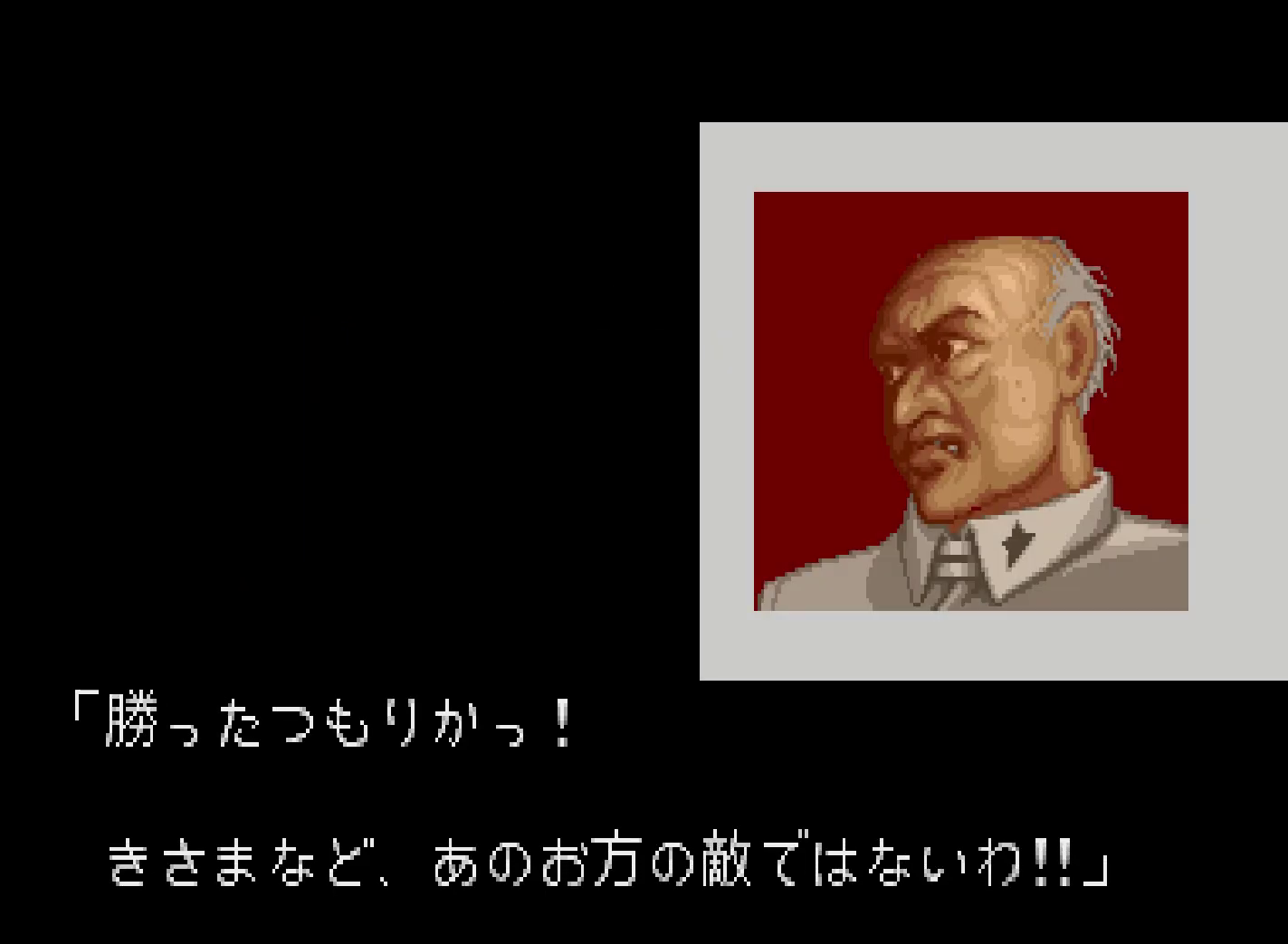
- 🎬 Narrative interludes heighten dramatic tension
The brilliance of Strider Hiryu lies in its cinematic rhythm. Unlike traditional arcade action games,
each stage unfolds as a chapter in a global narrative. Moscow’s icy streets demand precision climbing and
combat against mechanized beasts, while the Amazon jungle shifts into survival against organic hazards.
Airborne fortresses test agility with moving platforms, and the lunar base culminates in surreal encounters
with Grandmaster Meio’s forces.
Between stages, narrative interludes appear—dialogues with Eurasian officials and enemy commanders that
reinforce the sense of political intrigue. This deliberate alternation between gameplay and story ensures
that Strider is not just a test of reflexes, but a journey through escalating cinematic spectacle.
⚙️ Exhibit II – Acrobatics & Player Control
- 🕹️ Simple inputs: jump, climb, slash
- 🌀 Acrobatics redefine vertical and horizontal movement
- ⚡ Split-second reactions drive momentum
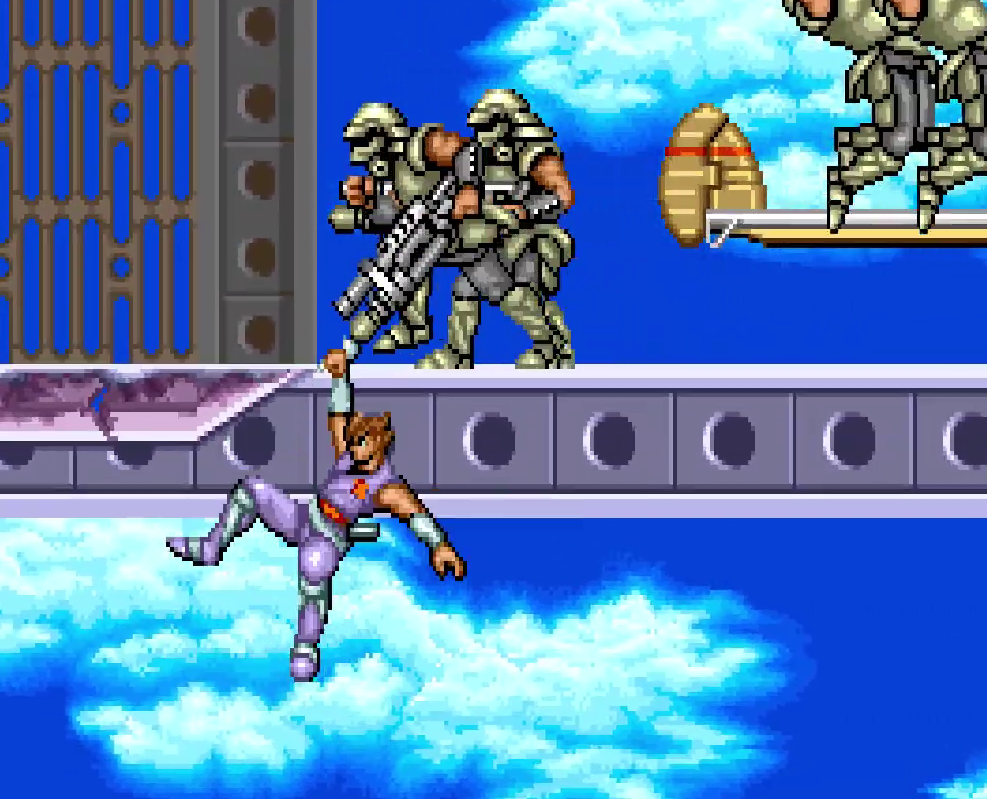
Strider thrives on acrobatics. The player’s toolkit is deceptively simple—jumping, climbing, and
slashing with the plasma sword “Cypher.” Yet these minimal inputs are transformed into dynamic gameplay.
Hiryu can cling to walls, hang from ceilings, and vault across platforms, creating a sense of fluid motion
rarely seen in 1980s arcades.
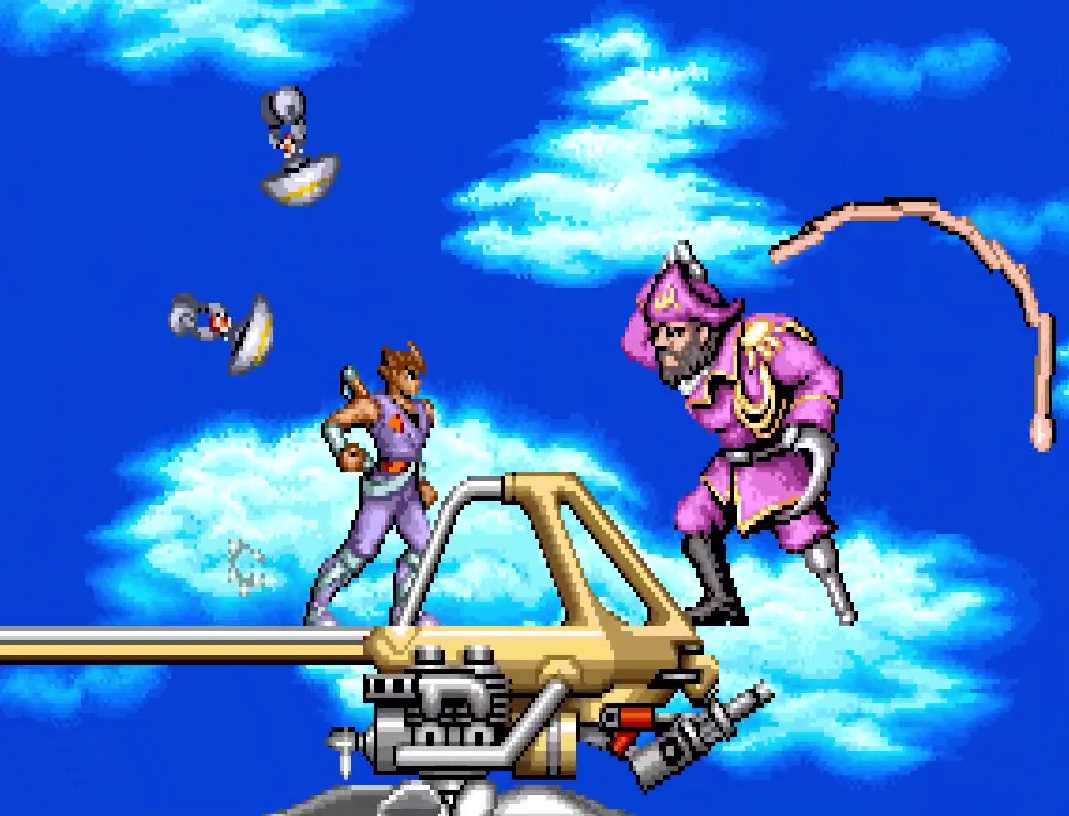
Combat is equally exhilarating. Enemies range from robotic beasts to human commanders, each demanding
different strategies. Boss battles often unfold on unstable terrain, forcing players to balance agility with
precision strikes. The design philosophy emphasizes momentum: every leap, every slash, every climb builds
toward a rhythm of relentless forward motion.
This simplicity sharpened focus. Mistakes are punished instantly, but mastery rewards the player with
cinematic flow. Strider became a timeless study in how minimal mechanics can yield maximum
spectacle.
🎼 Exhibit III – Sound & Atmosphere
- 🔊 Distinct audio cues: sword slashes, enemy cries, mechanical roars
- 🎶 Stage-specific themes heighten urgency and immersion
- 🌌 Visual layering amplifies cinematic tension
Sound and atmosphere in Strider are inseparable from its identity. The sharp resonance of the
Cypher blade, the mechanical growls of robotic beasts, and the urgent stage themes all combine to create
a relentless sense of motion. Each environment carries its own audio signature: Moscow’s icy stage echoes
with metallic clashes, airborne fortresses resound with mechanical hums, and the Amazon jungle layers
organic cries with rhythmic percussion.
Visually, Capcom employed sprite layering and dynamic scaling to simulate depth and speed. Hiryu’s
acrobatic leaps across platforms, enemies swarming from multiple directions, and bosses wielding
oversized weapons all contribute to a cinematic spectacle. The synergy of sound and sight ensures that
players are not only reacting to hazards but immersed in a futuristic battlefield where every cue signals
danger and triumph.
🧪 Exhibit IV – Technical Innovation & Cultural Impact
- 🖥️ CPS hardware enabled fluid animation and multi-directional scrolling
- 🌍 Themes of espionage and resistance echoed Cold War anxieties
- 🎮 Influence on later cinematic action games and ninja-themed titles
Technically, Strider was ambitious for its time. Capcom’s CPS arcade hardware allowed fluid
animation, multi-directional scrolling, and large-scale bosses without loading interruptions. Hiryu’s
acrobatic moves—clinging to walls, vaulting across ceilings, and slashing mid-air—were seamlessly
integrated, creating a sense of freedom rare in 1980s arcades.
Culturally, the game resonated with themes of espionage and resistance, reflecting Cold War anxieties
and futuristic dystopias. The imagery of Eurasian officials, mechanized beasts, and surreal lunar battles
mirrored both pulp adventure and science fiction tropes.
Its influence is undeniable. Later action games adopted cinematic interludes, multi-phase boss battles,
and acrobatic protagonists. Strider Hiryu stands as both a technical showcase and a cultural artifact,
illustrating how arcade design could merge spectacle with narrative resonance.
🏛️ Epilogue – Shadows Across the Horizon
As the final stage concludes, Hiryu rides upon a whale across the ocean, a surreal image of triumph
and solitude. The words of victory echo not through dialogue, but through motion: the hero advancing
beyond Eurasia, carrying the weight of battles fought and enemies defeated.
For players in 1989, Strider Hiryu was more than a game—it was a test of agility, precision, and
persistence. The futuristic battlefield became a metaphor for the arcade itself: unpredictable,
dangerous, but rewarding for those who mastered its rhythm.
Decades later, the memory of hanging from ceilings, slashing robotic beasts, and confronting
commanders on unstable platforms continues to resonate in retro gaming culture. Strider Hiryu
reminds us that even the simplest mechanics—jump, climb, slash—can create timeless experiences,
and that the horizon of pixels still holds its secrets for those willing to return.

🎥 Video Exhibit – Strider (1989, Arcade)
© 2025 Japanstyle-RetroPlay
Screenshots © Capcom 1989
This article is intended for personal documentation and cultural appreciation.
All rights to game footage, music, and characters belong to their respective copyright holders.
🔗 Home | About Us | Site Policy


Comments
Post a Comment