Super Street Fighter II X – Grand Master Challenge (1994) Arcad
🧭 Prologue – Echoes of the Fighting Arcade
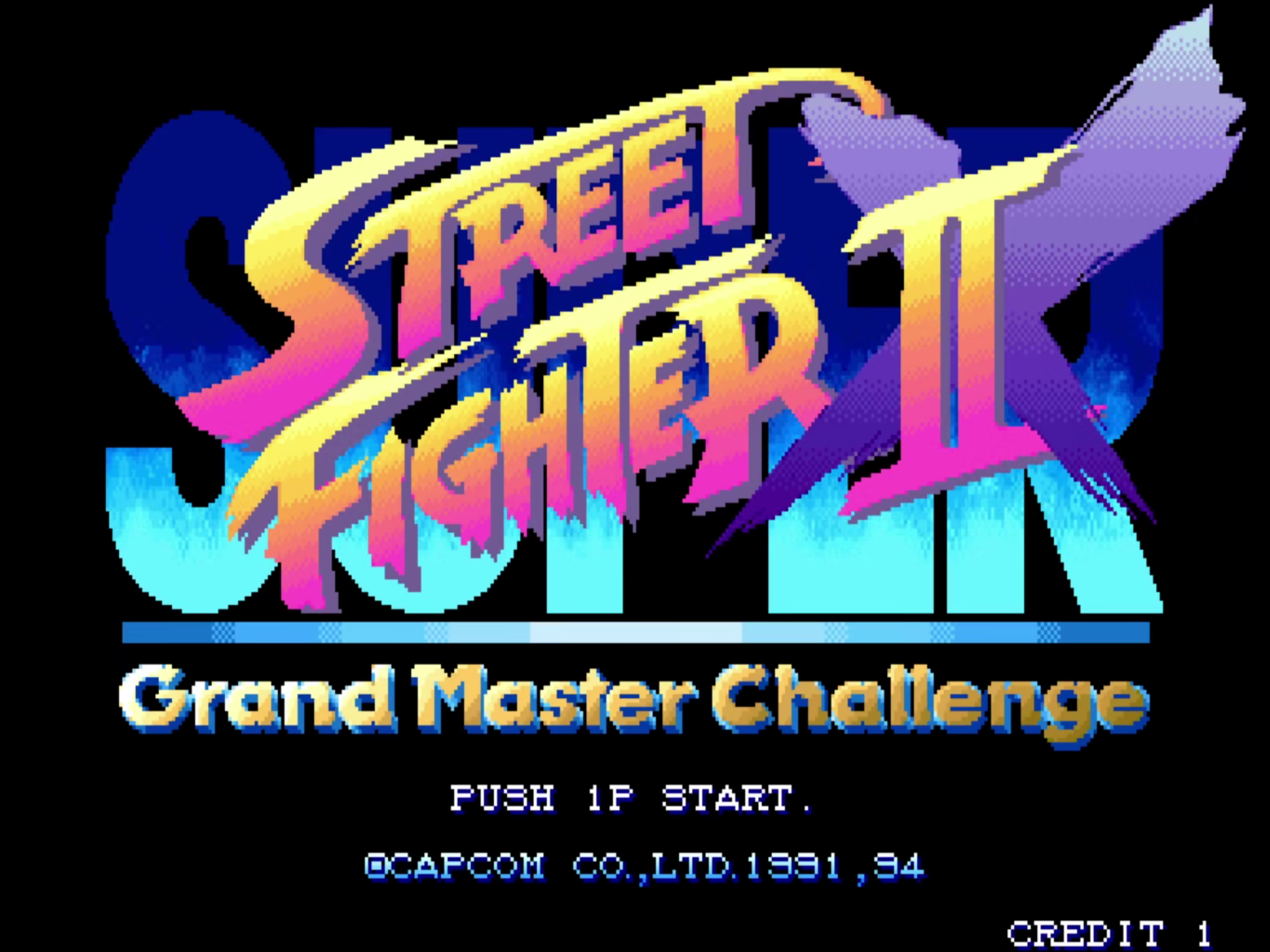
In 1994, CAPCOM released Super Street Fighter II X – Grand Master Challenge, the definitive arcade entry in the legendary fighting series. Known internationally as Super Street Fighter II Turbo, this title expanded the roster, refined mechanics, and introduced the concept of super moves, forever changing the competitive landscape.
For players, Super Street Fighter II X arcade 1994 was more than a sequel—it was a culmination of years of arcade fighting evolution. The game blended precision, spectacle, and relentless challenge, standing as both a technical showcase and a cultural milestone. Today, it is remembered not only as a CAPCOM classic but also as a cornerstone of fighting game history, echoing through tournaments and retro arcades alike.
🎮 Game Information
Title: Super Street Fighter II X – Grand Master Challenge (Super Street Fighter II Turbo)
Year: 1994
Platform: Arcade
Genre: Fighting
Developer / Publisher: CAPCOM
Format: PCB Arcade Board
Players: 1–2 (Versus)
🖼️ Exhibit I – System Design & Rhythm
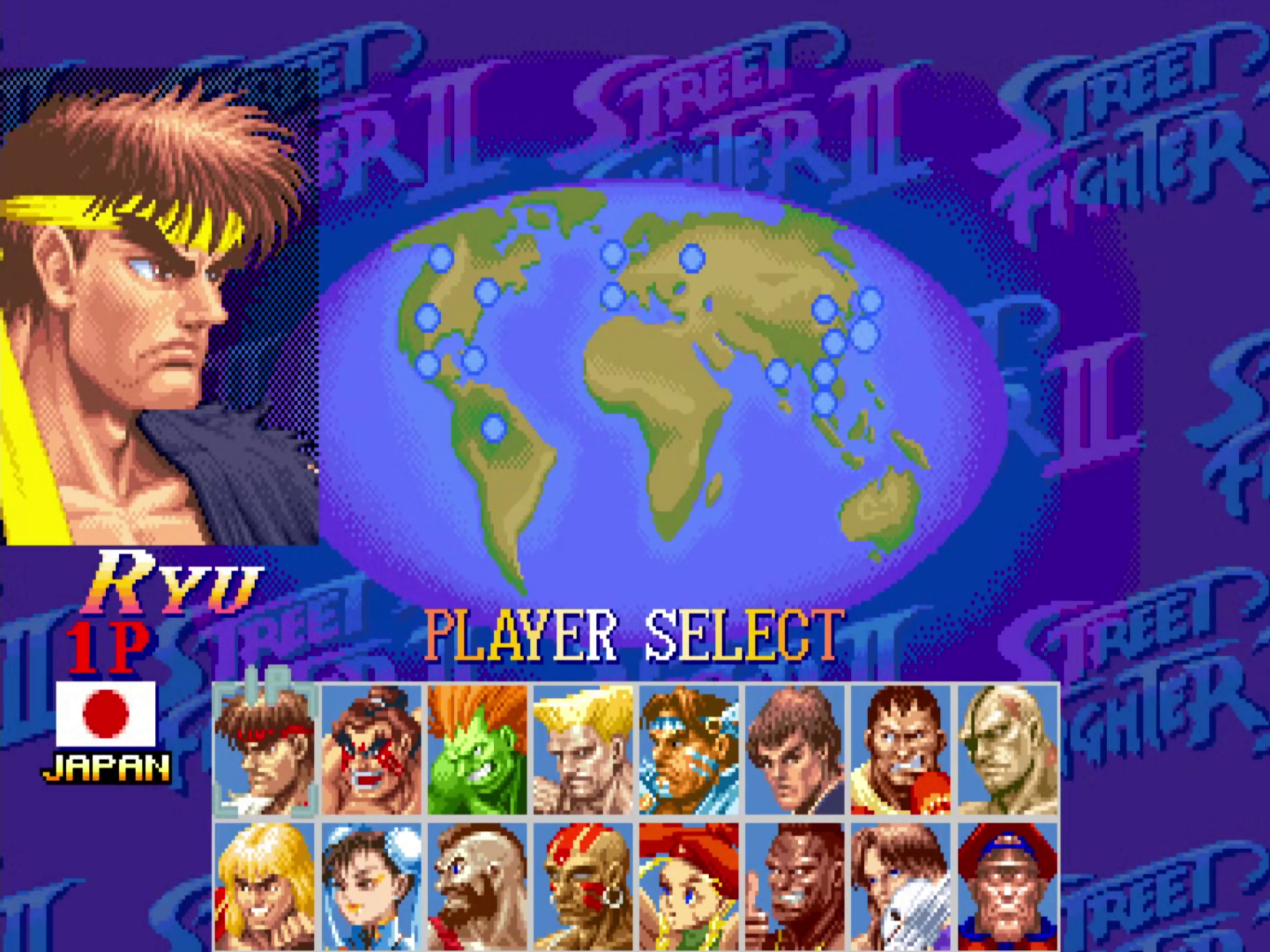
- 👊 Expanded roster of 16 fighters, each with unique moves
- ⚡ Introduction of Super Combos, adding explosive finishers
- ⏳ Match rhythm alternates between tactical spacing and sudden bursts of aggression
The brilliance of Super Street Fighter II X lies in its combat rhythm. Each match unfolds as a dialogue of distance, timing, and sudden impact. Players must balance cautious spacing with the risk of unleashing powerful Super Combos.
Unlike earlier entries, the addition of super meters transformed the pacing. Matches could swing dramatically as a stored super move threatened to end the round instantly. This deliberate alternation between slow tactical play and explosive resolution kept players engaged, ensuring that every fight felt like a new chapter in the arcade saga.
The design philosophy emphasized variety and escalation, making Super Street Fighter II X not just a test of reflexes, but a study in momentum and psychological warfare.
⚙️ Exhibit II – Character Control & Challenge
- 🕹️ Classic six-button control scheme refined for precision
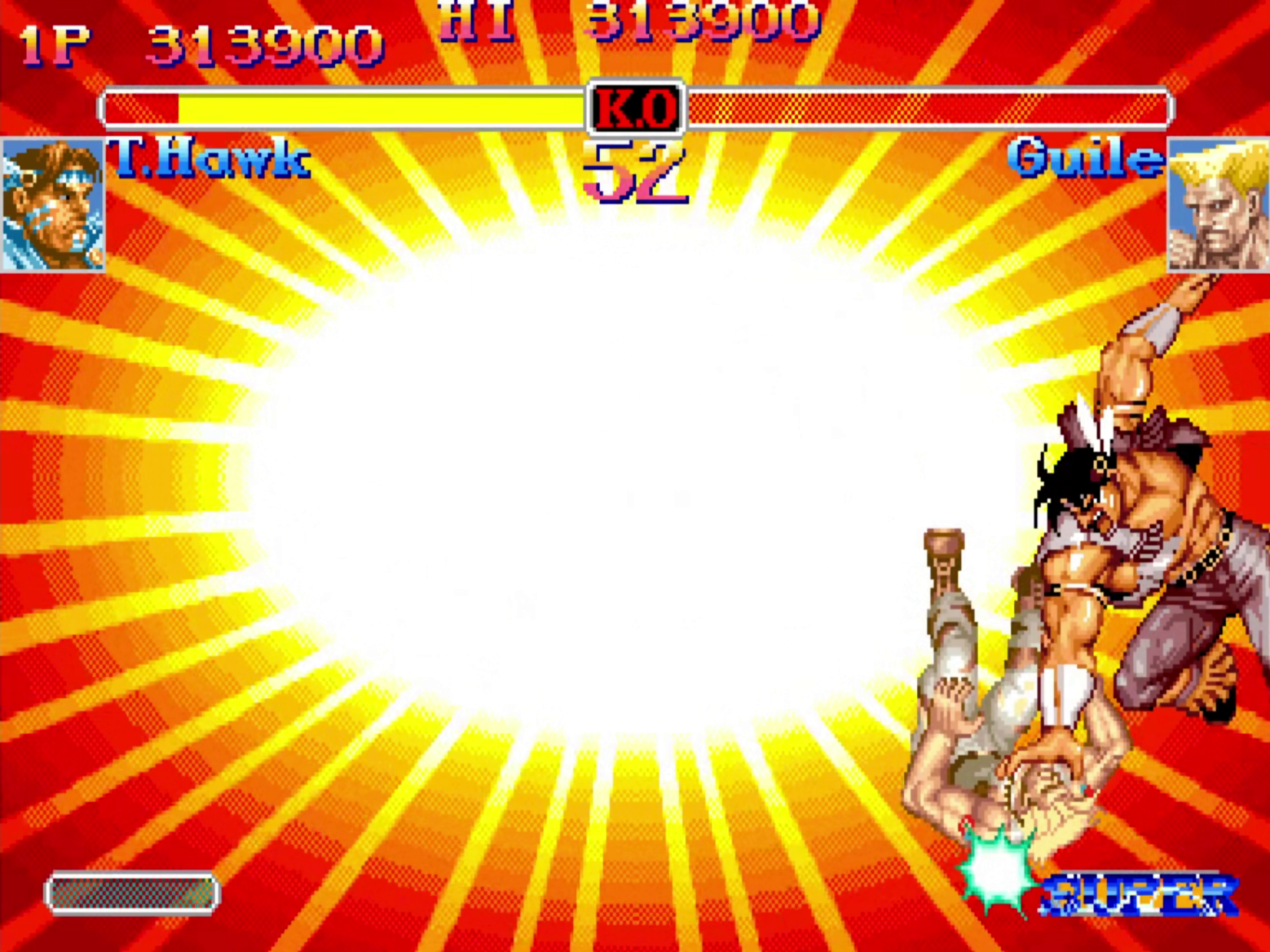
- 💥 Super Combos demand exact input timing
- 🔥 Split-second reactions determine victory or defeat
Super Street Fighter II X thrives on mastery. The player’s toolkit—light, medium, and heavy attacks combined with directional inputs—remains simple, yet the game transforms these into a vast array of strategies.
Super Combos elevated execution difficulty, requiring precise input sequences under pressure. The thrill of landing one was matched only by the risk of missing it. Every mistake was punished instantly, but every success felt electrifying.
This design philosophy highlighted how minimal mechanics could yield maximum tension. By sharpening focus on timing and precision, CAPCOM created a title where every decision carried weight. The challenge was not in complexity, but in execution, making Super Street Fighter II X a timeless study in competitive arcade design.
🎼 Exhibit III – Sound & Presentation
- 🔊 Distinct audio cues for each fighter and stage
- 🎶 Super Combo effects heighten atmosphere and tension
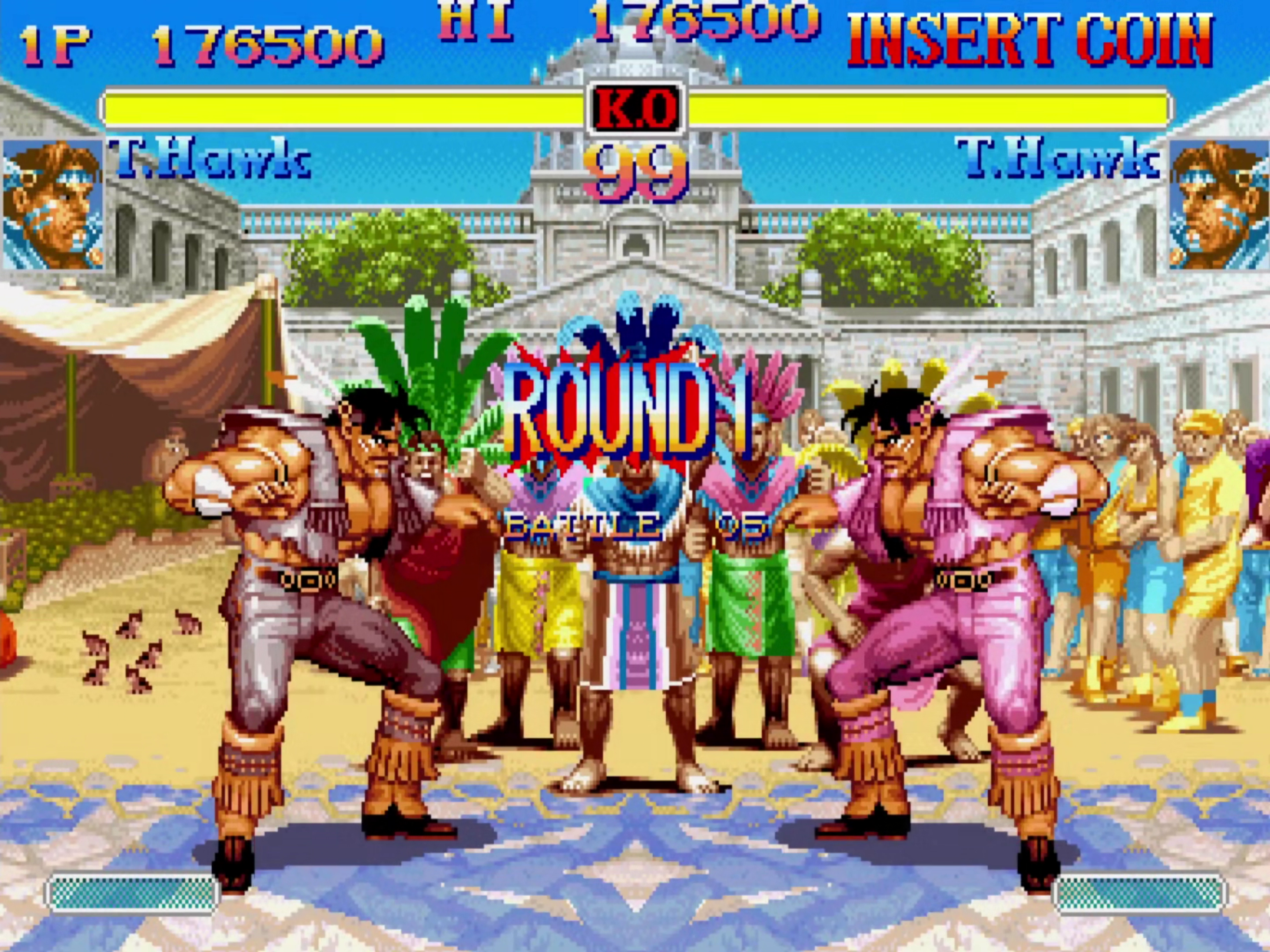
- 🌌 Visual layering of sprites creates immersion and spectacle
Sound and presentation in Super Street Fighter II X are inseparable from its identity. The roar of the crowd, the impact of a landed Super Combo, and the unique stage themes all contribute to the atmosphere.
Each fighter carries their own audio signature, from Ryu’s iconic shouts to Guile’s sonic booms. The addition of Super Combo effects amplified the drama, echoing through arcades as players unleashed decisive finishers.
Visually, CAPCOM employed detailed sprite work and layered backgrounds to simulate depth and motion. Stages ranged from military bases to temples, each reinforcing the global scope of the World Warrior tournament. This synergy between sound and sight ensured that players were not only reacting to mechanics but immersed in the spectacle of combat.
🧪 Exhibit IV – Technical Background & Cultural Impact
- 🖥️ Mid-1990s arcade hardware pushed to deliver fluid animation and responsive controls
- 🌍 Cultural echoes of martial arts cinema and global competition
- 🎮 Influence on later fighting games and esports
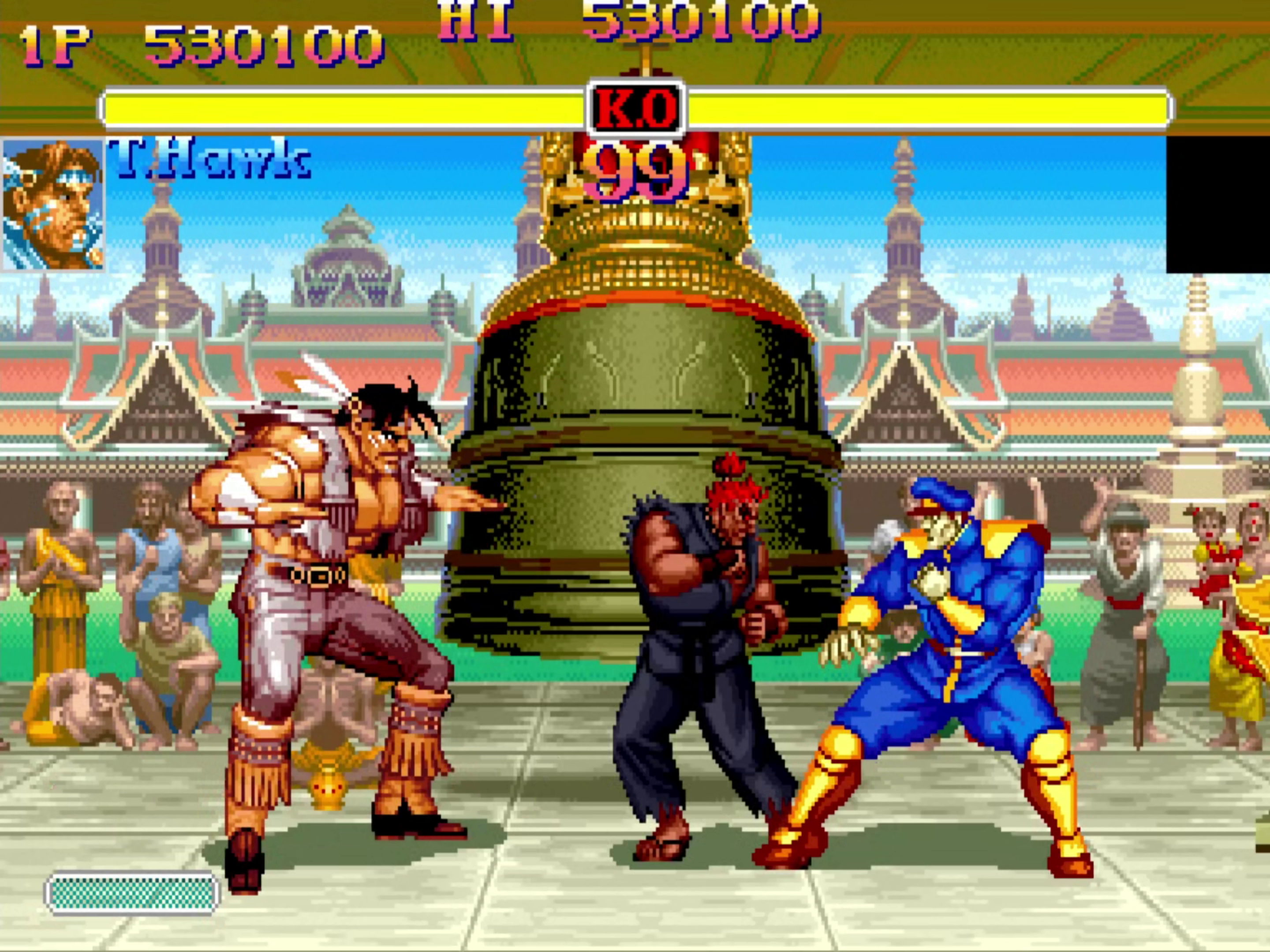
Technically, Super Street Fighter II X was ambitious for its time. CAPCOM’s arcade board delivered fluid animation, responsive inputs, and balanced mechanics across a diverse roster. The introduction of super meters and hidden characters like Akuma showcased how arcade hardware could support innovation without sacrificing performance.
Culturally, the game resonated with themes of martial arts cinema and international competition. The imagery of fighters from across the globe reflected a narrative of diversity and rivalry, though later discussions have noted how these depictions mirrored broader cultural archetypes.
Despite this, the game’s influence is undeniable. Many later fighting games adopted super meters, hidden bosses, and tournament-style narratives. Super Street Fighter II X stands as both a technical showcase and a cultural artifact, illustrating how arcade design both entertained and reflected its era.
🏛️ Epilogue – Memories in the Fighting Arena
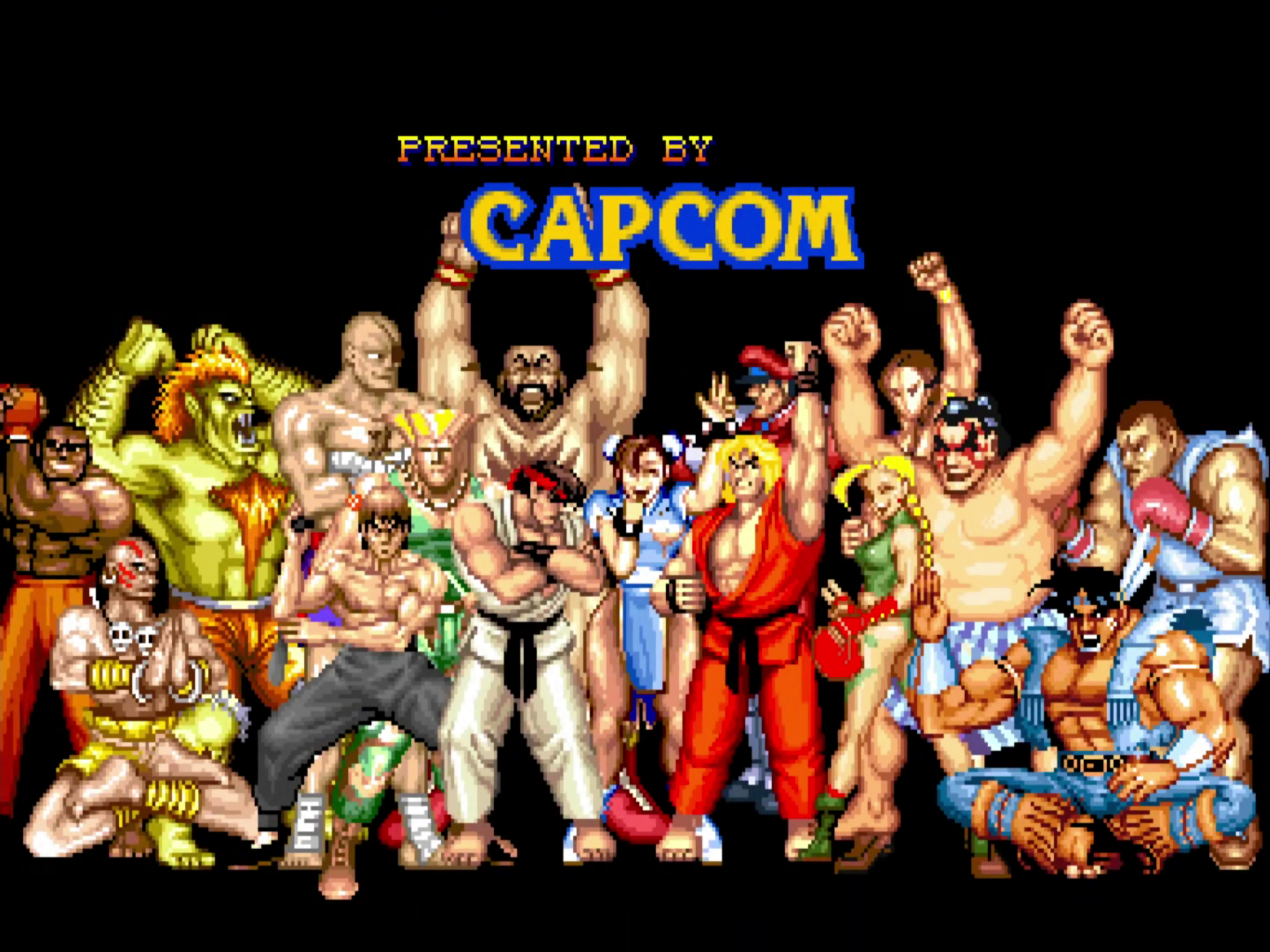
As the final battles conclude, Akuma’s sudden arrival and the gathering of all warriors mark a symbolic ending. The words “PRESENTED BY CAPCOM” appear, reminding players that this was not just a game, but a cultural event.
For players in 1994, Super Street Fighter II X was more than a sequel—it was a test of skill, patience, and mastery. The arcade became a metaphor for the fighting arena itself: unpredictable, dangerous, but rewarding for those who dared to master it.
Decades later, the memory of Super Combos, Akuma’s surprise, and the roar of arcade crowds continues to echo in retro gaming culture. Super Street Fighter II X reminds us that even the simplest mechanics, when refined to perfection, can create timeless experiences. The arena of pixels still holds its secrets for those willing to return.
🎥 Video Exhibit – Super Street Fighter II X (1994, Arcade)
© 2025 Japanstyle-RetroPlay
Screenshots © CAPCOM 1994
This article is intended for personal documentation and cultural appreciation.
All rights to game footage, music, and characters belong to their respective copyright holders.
🔗 Home | About Us | Site Policy


Comments
Post a Comment