Bermuda Triangle (1987) Arcade
🧭 Prologue – Into the Bermuda Triangle Arcade
In 1987, SNK launched Bermuda Triangle, a vertical shooter that threads maritime myth through time-bending combat. It’s a voyage where the sea’s folklore collides with the logic of arcade design—wormholes open like riddles, wreckage hangs like memories, and every encounter feels carved from turbulence.
The Bermuda Triangle arcade 1987 stands as a meditation on rhythm: momentum builds, then the world tilts; clarity returns, only to give way to disorientation. It rewards steady hands, not just fast ones. Beneath its spectacle, the game whispers a more intimate metric of success—persistence that becomes poise, poise that becomes arrival.
For players, the triangle was less a conspiracy than a crucible. It distilled attention, demanded pacing, and made the abyss playable. Even now, its cadence lingers, proof that SNK could turn myth into motion without losing restraint.
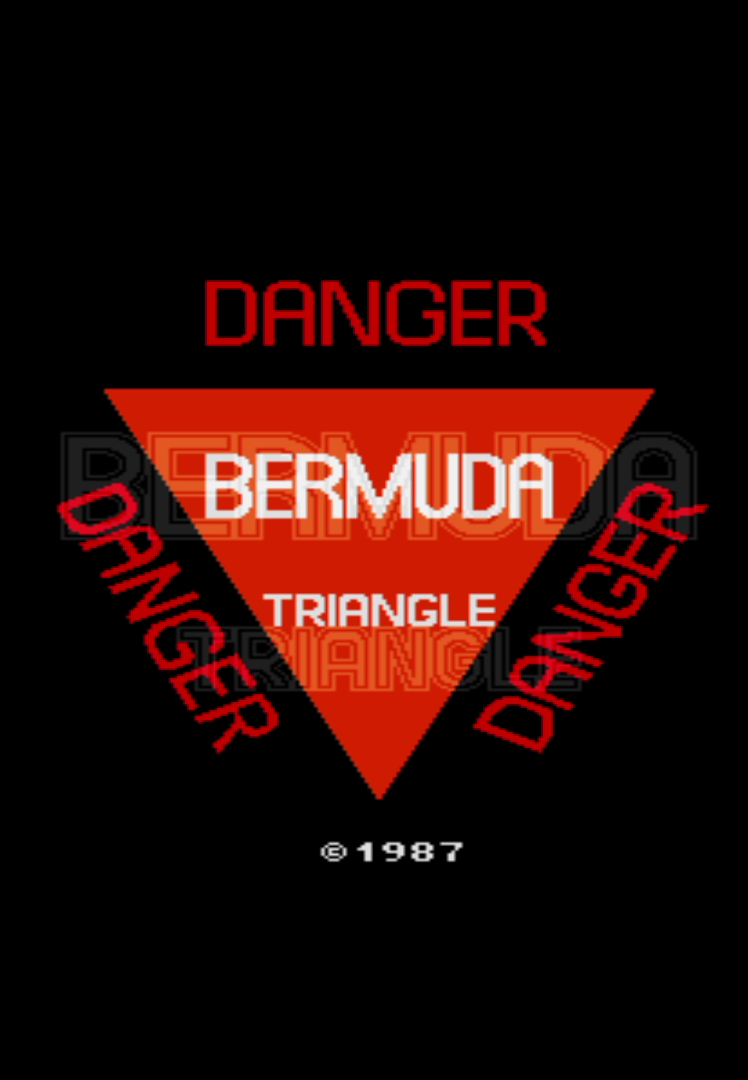
🎮 Game Information
Title: Bermuda Triangle
Year: 1987
Platform: Arcade
Genre: Vertical Shooter
Developer / Publisher: SNK
Format: PCB Arcade Board
Players: 1–2 (Alternating)
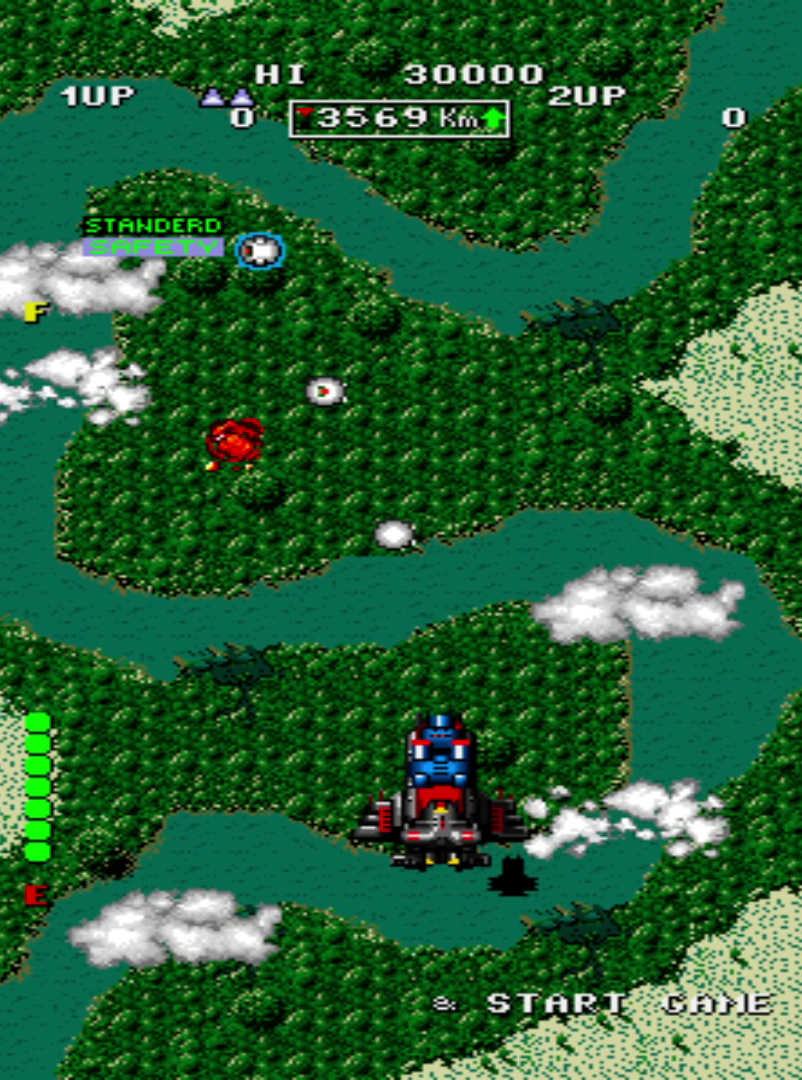
🖼️ Exhibit I – Stage design & rhythm
- 🌊 Alternation of clear aerial firefights and surreal abyssal sequences
- ⚡ Wormholes act as pacing pivots, reshaping encounter flow
- 🚢 Environmental storytelling via wreckage, ruins, and shifting eras
Bermuda Triangle structures its journey as a layered descent: early stages frame clean vertical engagements, then the triangle yawns open—an eerie void strewn with plane and ship debris. These sequences aren’t just scenery; they reset the player’s tempo, replacing predictable waves with volatile currents.
The rhythm thrives on contrast. When patterns stabilize, the game bends them; when chaos peaks, it grants a pocket of clarity. SNK uses alternation as a design instrument, so each stage feels like a new stanza in a longer composition—steady ascent, sudden tilt, earned recovery.
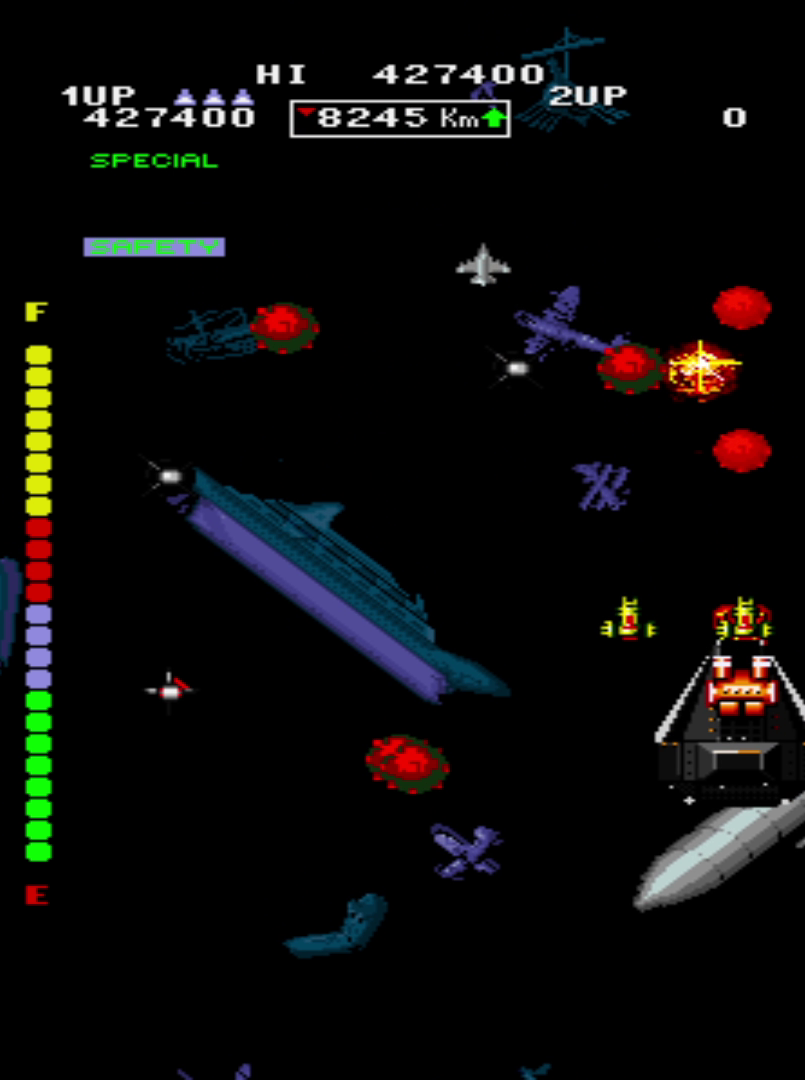
⚙️ Exhibit II – Character control & challenge
- 🕹️ Core inputs: 8-way movement and a primary fire button
- 🔋 Fuel/energy gauge replaces lives and governs survivability
- 🛡️ Option formation toggles add offense and shielding utility
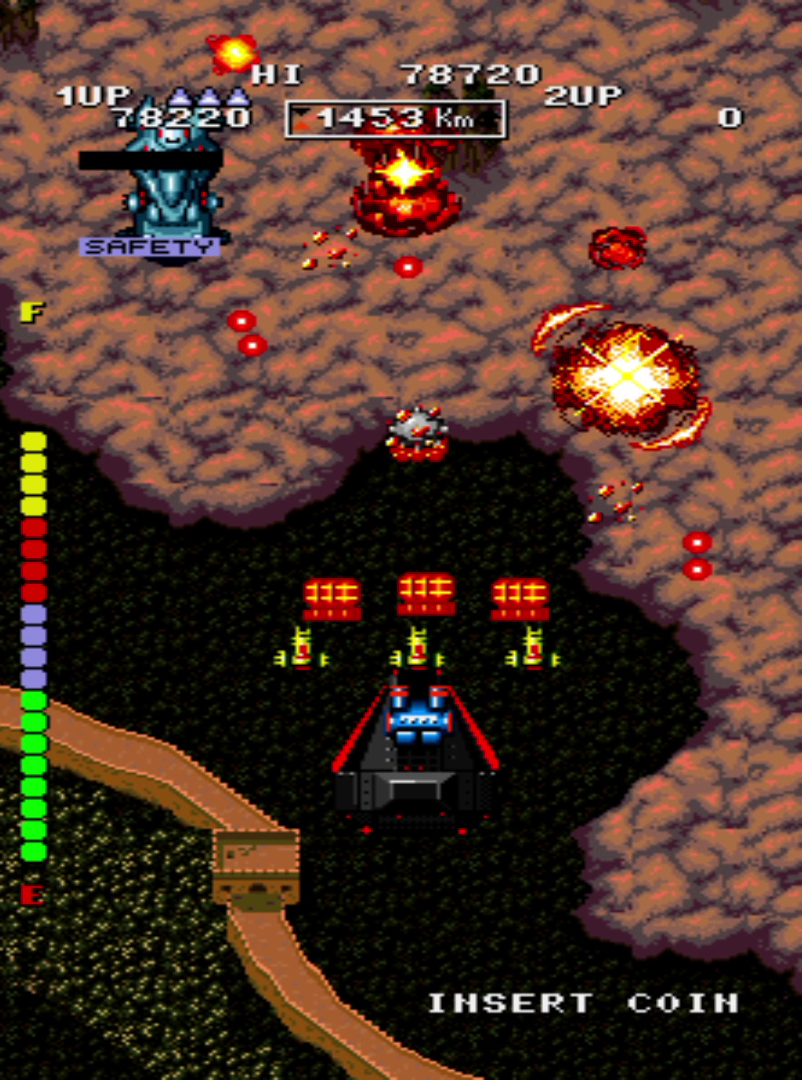
SNK opts for economy of control: movement plus fire, with strategic depth coming from resource and formation management. The fuel gauge on the left stands in for lives; damage drains it, while careful play and power-ups push it toward “FULL,” translating momentum into confidence.
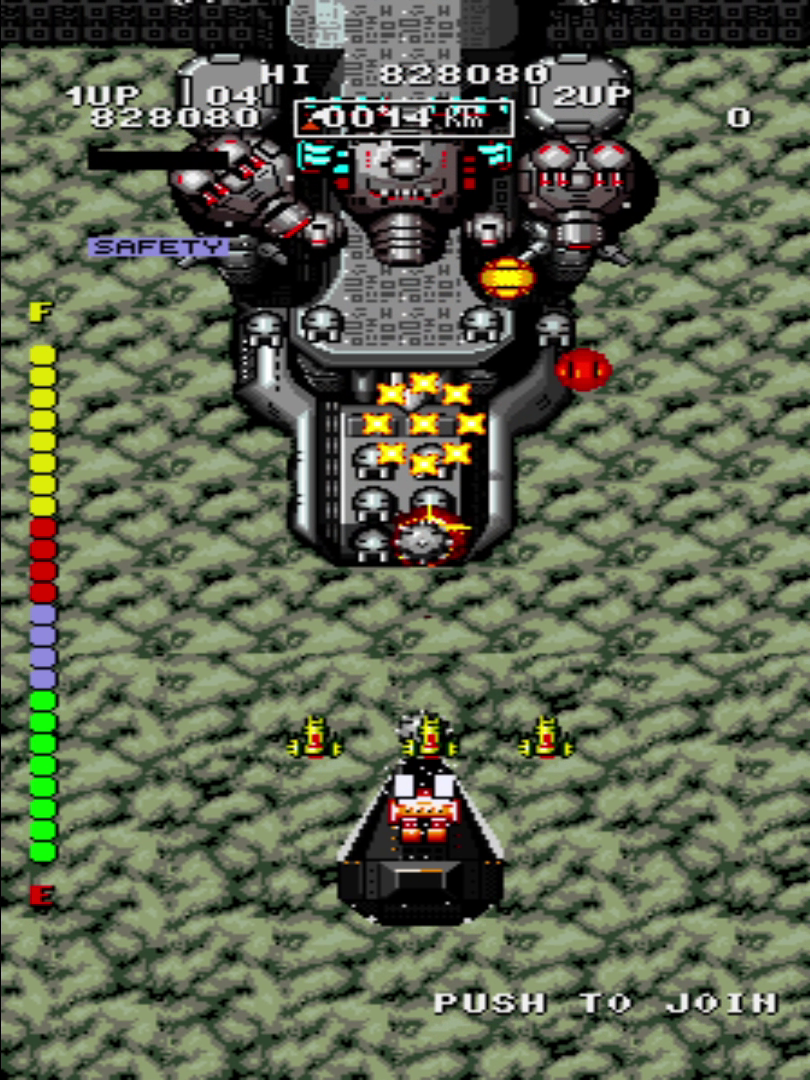
Options—tiny escort crafts—can be repositioned around the ship (front, rear, sides). Formation toggling reshapes your firing lanes and coverage, turning positioning into a skill unto itself. Mid-bosses test re-centering under pressure; ground bases bristling with turrets punish sloppy routes. Difficulty rises cleanly: fewer gimmicks, more demands on timing, spacing, and restraint.
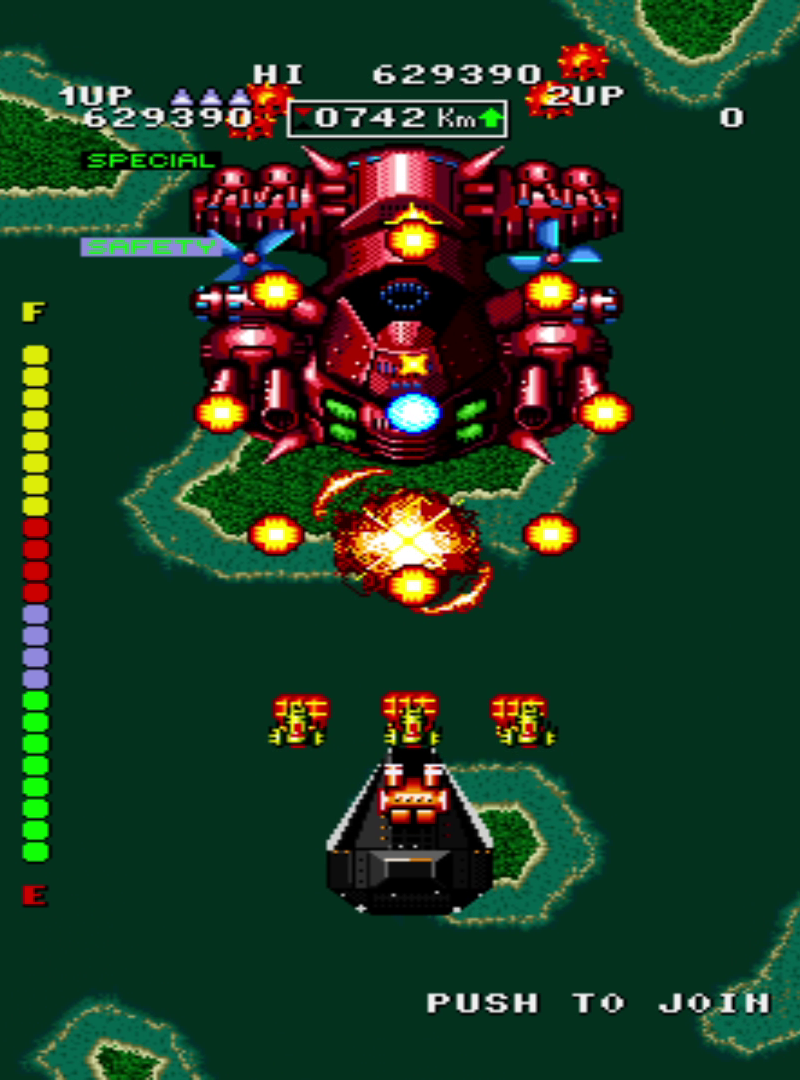
🎼 Exhibit III – Sound & presentation
- 🔊 Clear audio telegraphing for shots, hits, and power transitions
- 🎶 Subtle build-up toward docking and stage completion cues
- 🌌 Sprite layering and parallax-like motion heighten urgency
Bermuda Triangle’s soundscape does practical work: it clarifies state changes and punctuates danger. Shot cadence, hit confirmation, and fuel feedback create a reliable auditory frame—players can feel their stability rise or fray. The docking fanfare lands as earned exhale, a sonic signature of arrival.
Visually, layered sprites and densely arranged hazards simulate depth and compression. Wreckage drifting across lanes, glowing voids, and turret clusters convey threat without visual noise. SNK keeps the screen readable while still feeling crowded, a late-1980s balance that puts playability ahead of spectacle yet achieves both.
🧪 Exhibit IV – Technical background & cultural impact
- 🖥️ Late-1980s SNK hardware delivering seamless stage transitions
- 🌍 Maritime myth reframed through time-travel motifs and rescue arcs
- 🎮 Enduring influence: fuel systems, option formations, multi-phase pacing
Technically, the game integrates multiple encounter types—abyssal traversal, mid-boss screens, entrenched bases—without breaking flow. Power-ups alter the ship’s sprites and firepower, options extend both offense and survivability, and the fuel model replaces the stop-start of discrete lives with a continuous tension line.
Culturally, Bermuda Triangle translates legend into a playable cadence: not a literal retelling, but an arcade grammar of peril, drift, and return. Its systems prefigure later shooters’ resource management and formation control, making it both a snapshot of its era and a seed of design ideas that would persist.
🏛️ Epilogue – Triumph beyond the abyss
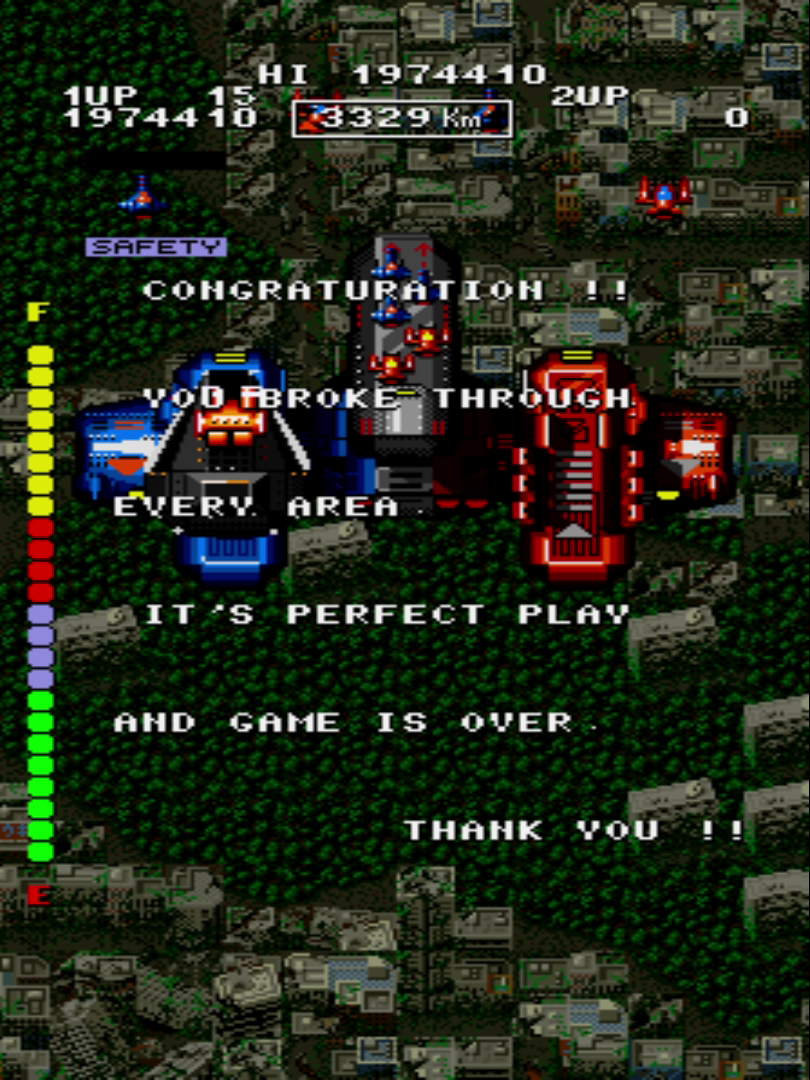
At the end, your ship aligns with the mothership’s dock and the screen flashes “CONGRATULATION!!”. The message is simple, but its weight is earned: you navigated hazard and hush, held the line through wormholes and fire, and returned.
For players in 1987, Bermuda Triangle was less about mystery solved than rhythm mastered—fuel guarded, formations chosen, paths carved. The triangle becomes an image of the arcade itself: unforgiving yet lucid, asking for patience and paying it back in arrival.
Decades on, its echoes remain: the cadence of shots, the narrowing lanes, the quiet relief of docking. Bermuda Triangle reminds us how minimal mechanics, paced with care, can feel inexhaustible—an old sea, still speaking.
🎥 Video Exhibit – Bermuda Triangle (1987, Arcade)
© 2025 Japanstyle-RetroPlay
Screenshots © SNK 1987
This article is intended for personal documentation and cultural appreciation.
All rights to game footage, music, and characters belong to their respective copyright holders.
🔗 Home | About Us | Site Policy


Comments
Post a Comment