Street Fighter ZERO3 / Alpha3 (1998) Arcade
🧭 Prologue – Echoes of the Arcade Battleground
In 1998, Capcom released Street Fighter ZERO3 on the CPS-II arcade system, a platform already renowned for powering some of the most influential 2D fighting games of the decade. Yet ZERO3 stood apart. It was not simply another sequel—it was a culmination of Capcom’s evolving design philosophy, a bold experiment in player expression, and a celebration of the fighting game community that had grown around the series.
The late‑90s arcade scene was a vibrant arena of flashing marquees, competitive tension, and the unmistakable hum of CRT monitors. ZERO3 arrived in this world like a spark, offering a massive roster, a new system of selectable fighting styles, and a presentation that blended anime‑inspired flair with technical precision.
Today, Street Fighter ZERO3 (Arcade, 1998) is remembered as one of Capcom’s most ambitious 2D fighters—a title where rhythm, improvisation, and mastery converged. Its battles were not merely contests of strength, but expressions of personality, timing, and style. ZERO3 remains a monument to the golden age of arcade fighting games, echoing through the memories of players who once stood shoulder‑to‑shoulder at the cabinet, waiting for their chance to challenge the world.
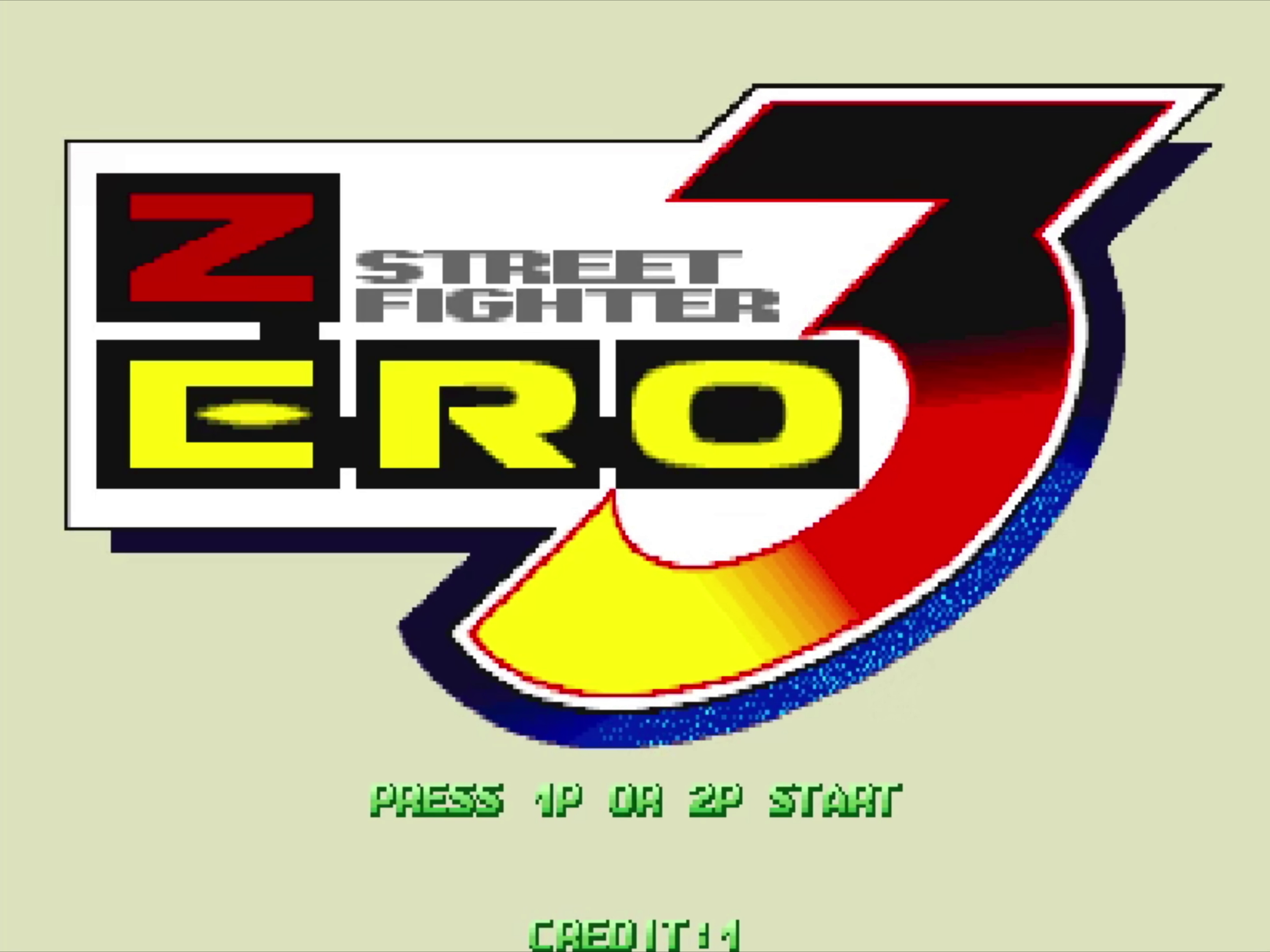
🎮 Game Information
Title: Street Fighter ZERO3
Year: 1998
Platform: Arcade (CPS-II)
Genre: 2D Fighting
Developer / Publisher: Capcom
Format: CPS-II JAMMA Arcade Board
Players: 1–2 (Versus / Alternating)
System Features: ISM Style Select (X‑ISM / Z‑ISM / V‑ISM)
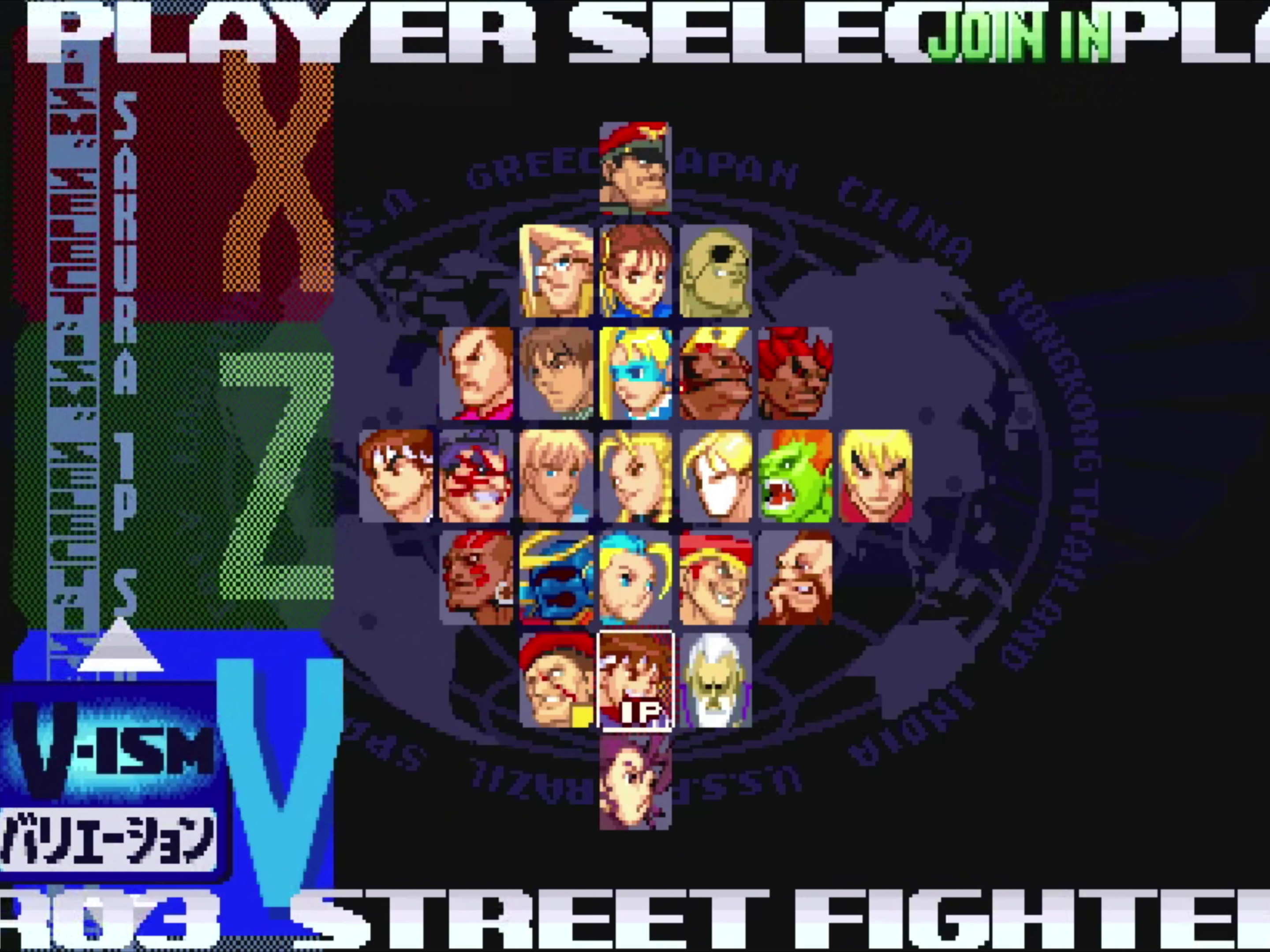
🖼️ Exhibit I – System Design & Rhythm of Combat
- ⚡ Three selectable ISM styles: X‑ISM, Z‑ISM, V‑ISM
- 🎭 Over 25 playable characters with distinct rhythm and pacing
- 🌀 Emphasis on momentum, pressure, and expressive combo routes
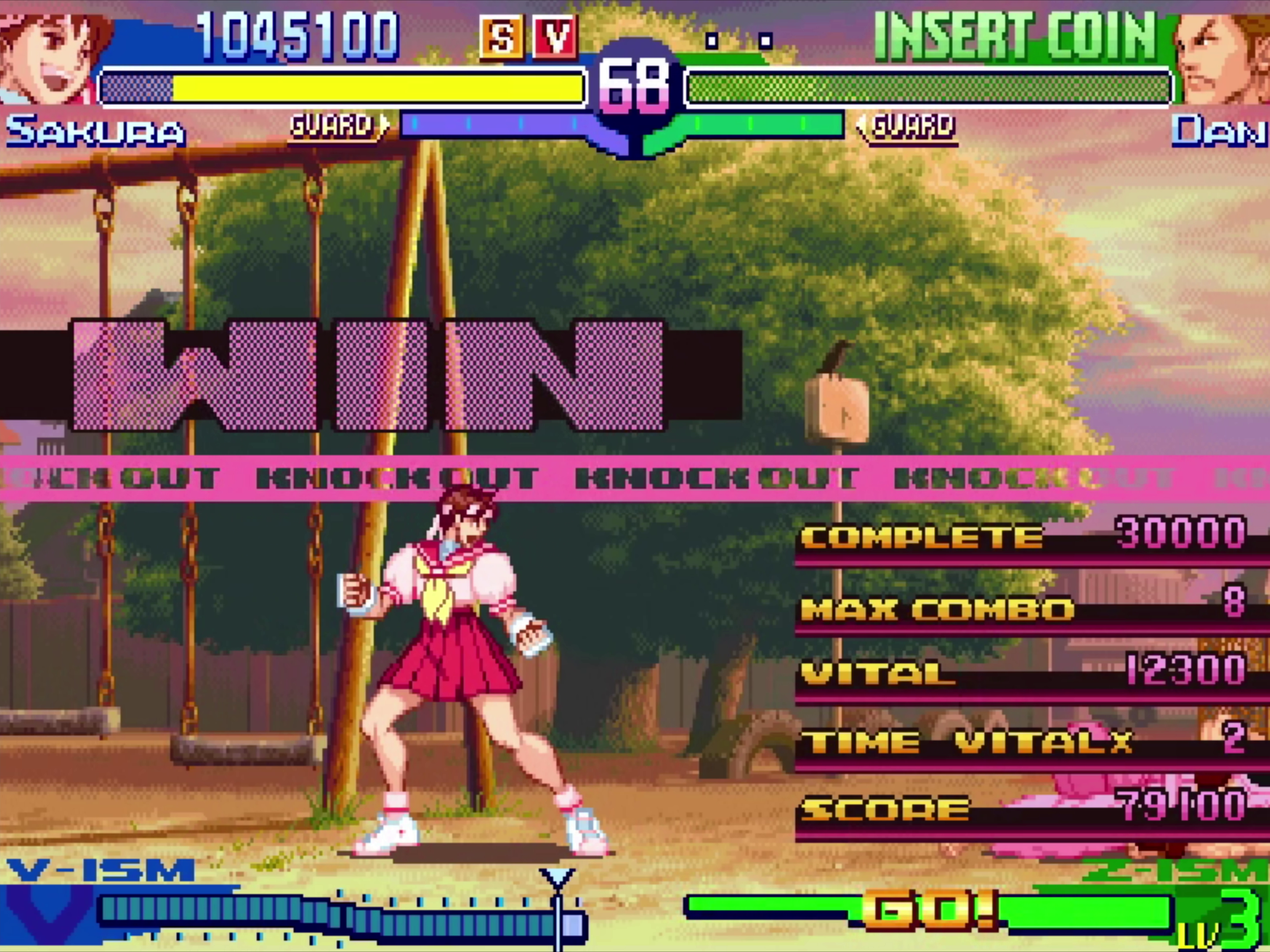
At the core of ZERO3 lies its ISM system—three selectable fighting styles that redefine how each character behaves. X‑ISM evokes the feel of earlier Street Fighter titles with a single super gauge and straightforward offense. Z‑ISM represents the standard style, using a three‑level super gauge that supports classic super combo play. V‑ISM introduces custom combos and advanced mobility, enabling players to craft their own offensive rhythm.
This system transforms the game into a layered experience. Each match becomes a negotiation of tempo: bursts of aggression, moments of restraint, and sudden shifts in momentum. ZERO3’s combat is not merely about executing moves—it is about choosing how to express them. The result is a fighter where every round feels like a unique performance, shaped by the player’s chosen style and their ability to adapt.
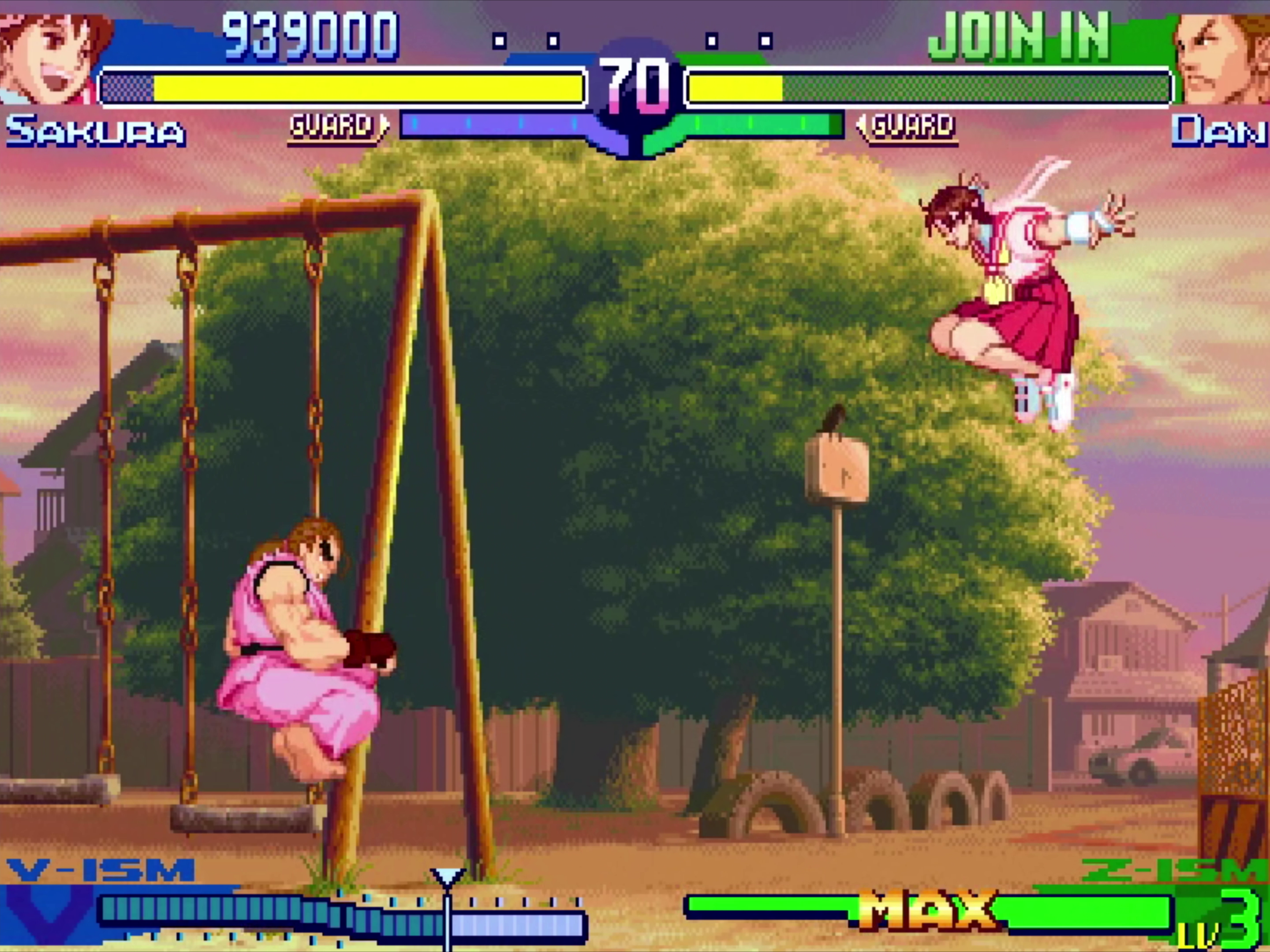
⚙️ Exhibit II – Character Control & Competitive Challenge
- 🕹️ CPS-II responsiveness with tight input buffering
- 🔥 V‑ISM custom combos enabling advanced expression
- 🎯 High‑speed neutral game with strong footsies and pressure
ZERO3 thrives on precision. The CPS‑II hardware delivers crisp input response, allowing players to perform tight links, rapid cancels, and complex sequences with confidence. Movement is fast and expressive—dashes, jumps, air guards, and character‑specific mobility options create a battlefield where positioning is as important as execution.
V‑ISM, in particular, reshaped competitive play. Custom combos allowed players to invent their own routes, pushing the engine to its limits and giving ZERO3 a reputation for creativity and depth. Yet despite its complexity, the game remains approachable: each character retains a clear identity, and even newcomers can feel the thrill of landing decisive blows.
The challenge of ZERO3 is not only in mastering its systems, but in understanding the rhythm of each opponent. Every match becomes a dialogue of movement and intention—a dance of risk and reward that continues to captivate players decades later.
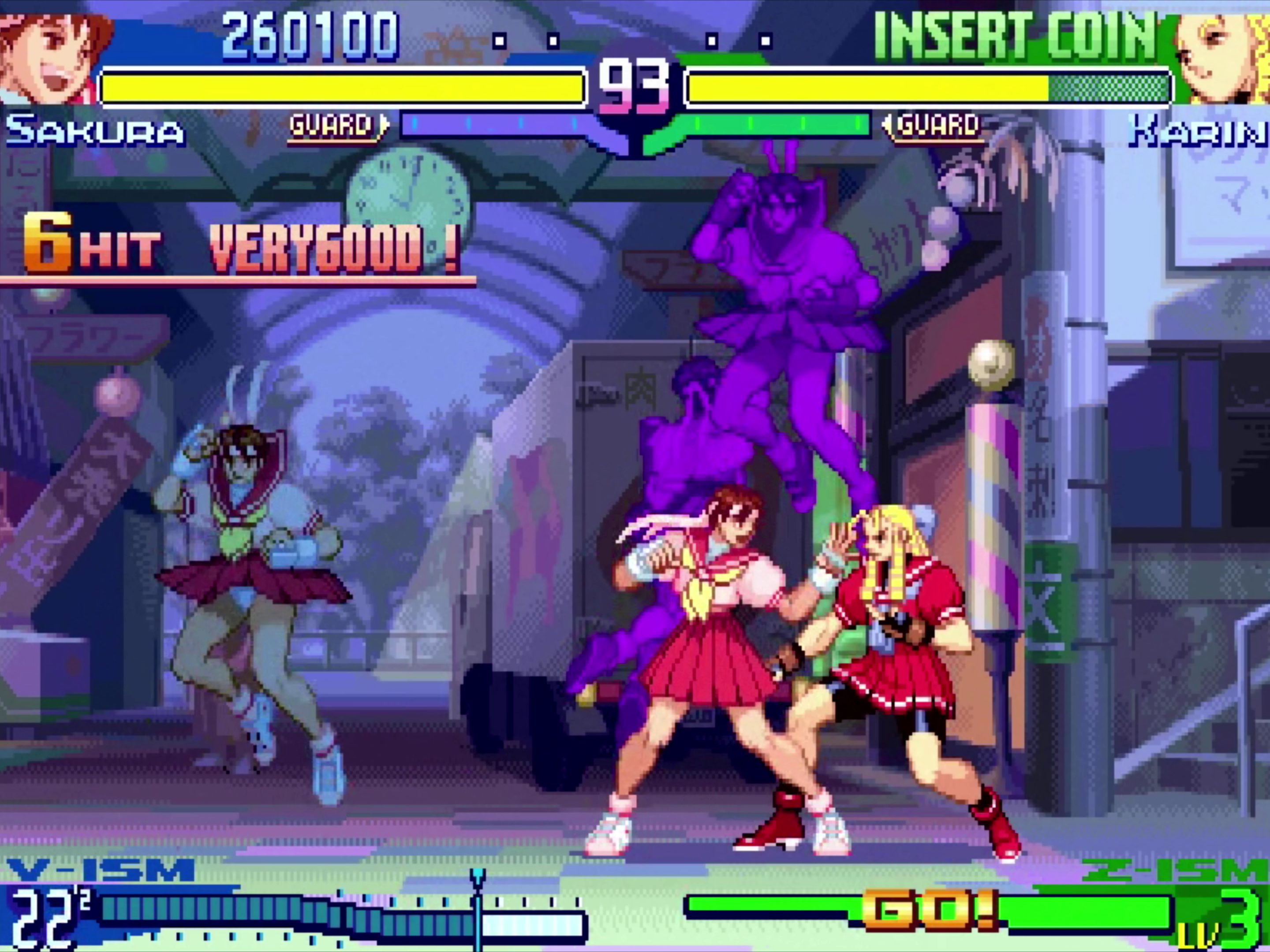
🎼 Exhibit III – Sound, Visual Identity & Presentation
- 🔊 CPS-II QSound audio delivering sharp effects and layered stage themes
- 🎨 Bold anime-inspired portraits and dynamic interface design
- 🌐 Regional differences between ZERO3 (Japan) and Alpha 3 (Overseas)
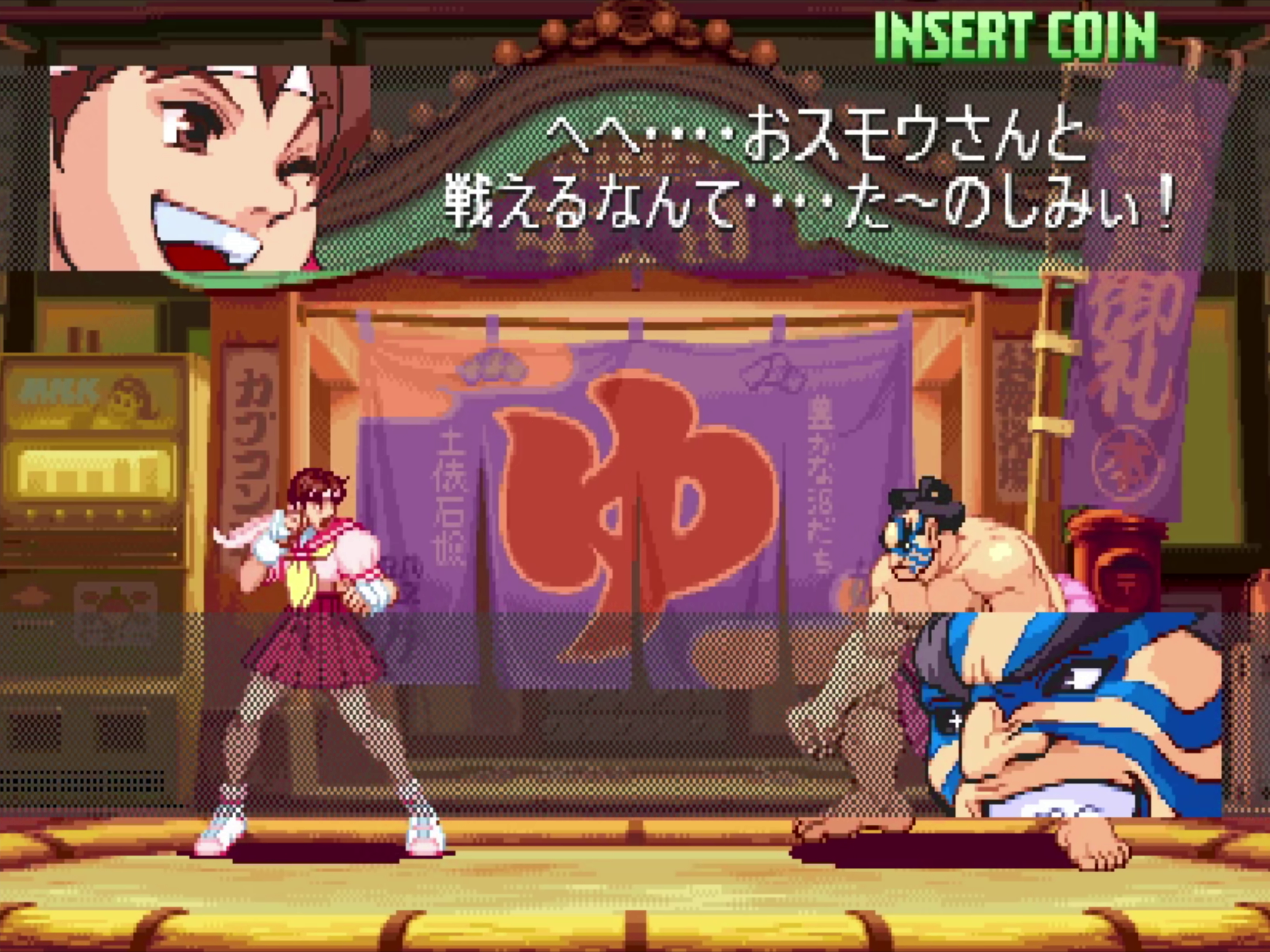
Presentation has always been central to Capcom’s fighting game identity, and ZERO3 embraces this with confidence. The CPS‑II’s QSound system produces crisp voice samples, explosive hit effects, and energetic stage music that shifts between tension and momentum. Each arena carries its own sonic personality, guiding the emotional rhythm of the match.
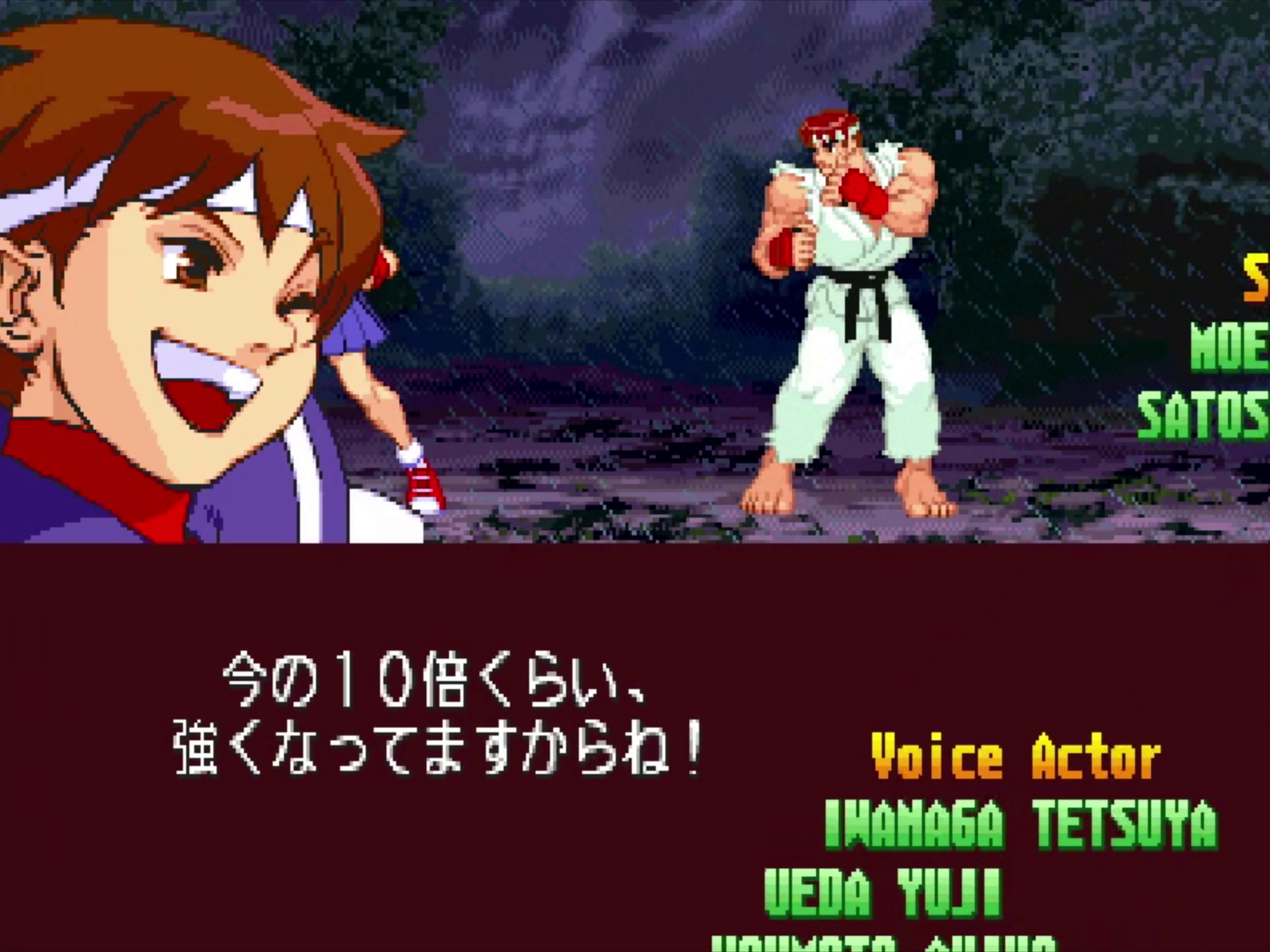
Visually, ZERO3 adopts a bold, graffiti‑like aesthetic. Character portraits are expressive and stylized, while the interface pulses with motion—flashing counters, animated gauges, and dramatic typography that amplify the sense of impact. The game’s visual language communicates urgency and individuality, reinforcing the idea that every fighter brings a distinct presence to the arena.
A notable layer of ZERO3’s identity lies in its regional differences. The Japanese version uses Z‑ISM as the standard mode, while the overseas release—Street Fighter Alpha 3—renames it A‑ISM to match the “Alpha” branding. Though the mechanics remain identical, the terminology reflects how Capcom tailored the game’s presentation for different audiences. These subtle distinctions highlight the dual cultural identity of the title: one engine, two interpretations, each shaped by the expectations of its region.
🧪 Exhibit IV – Technical Background & Cultural Impact
- 🖥️ CPS-II hardware enabling fluid animation and deep mechanics
- 🌍 ZERO3 and Alpha 3: one game, two cultural identities
- 🎮 Long-term influence on competitive play and combo theory
Technically, ZERO3 represents one of the most ambitious uses of the CPS‑II system. Despite hardware constraints, the game delivers fluid animation, responsive controls, and a large roster without sacrificing performance. The engine supports advanced mechanics such as air blocking, guard crush, and custom combos—systems that would influence competitive fighting games for years to come.
Culturally, ZERO3 occupies a unique position. In Japan, the “ZERO” branding connected the game to a lineage of anime‑styled reinterpretations of Street Fighter lore. Overseas, the “Alpha” series carried a different tone—one shaped by Western arcade culture and marketing. The ISM naming differences (Z‑ISM vs A‑ISM) symbolize this dual identity. Though the gameplay is identical, the framing of the experience shifts subtly between regions.
ZERO3’s impact on competitive play is equally significant. V‑ISM custom combos became a defining feature of high‑level matches, pushing players to explore the engine’s limits and inspiring a generation of combo creators. The game’s expressive freedom and technical depth made it a favorite in tournaments and a reference point for discussions about creativity, balance, and the evolution of fighting game design.
🏛️ Epilogue – The Pulse of the Arena
When the final round ends and the cabinet’s glow fades, Street Fighter ZERO3 leaves behind more than a record of victories and defeats. It leaves an imprint of motion—of choices made in fractions of a second, of risks taken, of styles expressed. ZERO3 is a game built on rhythm: the rhythm of footsies, the rhythm of pressure, the rhythm of a player discovering their own voice within the system.
In the arcades of 1998, this rhythm filled the air. Players gathered not only to win, but to learn, to experiment, and to witness the creativity of others. ZERO3 became a meeting point for communities, a shared language spoken through movement and timing. Its mechanics encouraged individuality, and its presentation amplified the drama of every encounter.
Decades later, the pulse of ZERO3 still resonates. The CPS‑II soundscape, the bold interface, the expressive ISM system—all remain vivid in the memories of those who stood before the cabinet. ZERO3 endures because it captures something timeless: the thrill of discovery, the tension of competition, and the joy of expressing oneself through play.
In the quiet after the battle, the arena still hums with possibility. ZERO3 invites players—past and present—to step forward, choose their style, and let the fight speak for itself.
🎥 Video Exhibit – Street Fighter ZERO3 (1998, Arcade)
© 2025 Japanstyle-RetroPlay
Screenshots © Capcom 1998
This article is intended for personal documentation and cultural appreciation.
All rights to game footage, music, and characters belong to their respective copyright holders.
🔗 Home | About Us | Site Policy


Comments
Post a Comment