SWAT (1984) Arcade
🧭 Prologue – Echoes of the Urban Arcade
In 1984, SEGA released SWAT, an arcade action shooter that embodied the tension of urban defense.
Unlike the jungle fantasies of earlier arcade titles, SWAT arcade 1984 placed players in a stark cityscape,
tasked with repelling waves of attackers and protecting fragile structures.
The game distilled the anxieties of its era into pixel form: relentless enemies, limited ammunition,
and the constant pressure of survival.
Today, SWAT is remembered not only as a SEGA classic but also as a cultural artifact of arcade history.
Its design philosophy emphasized immediacy and punishment, where every second demanded vigilance.
The arcade cabinet became a battlefield, and each coin inserted was a pledge to endure the chaos of the digital city.
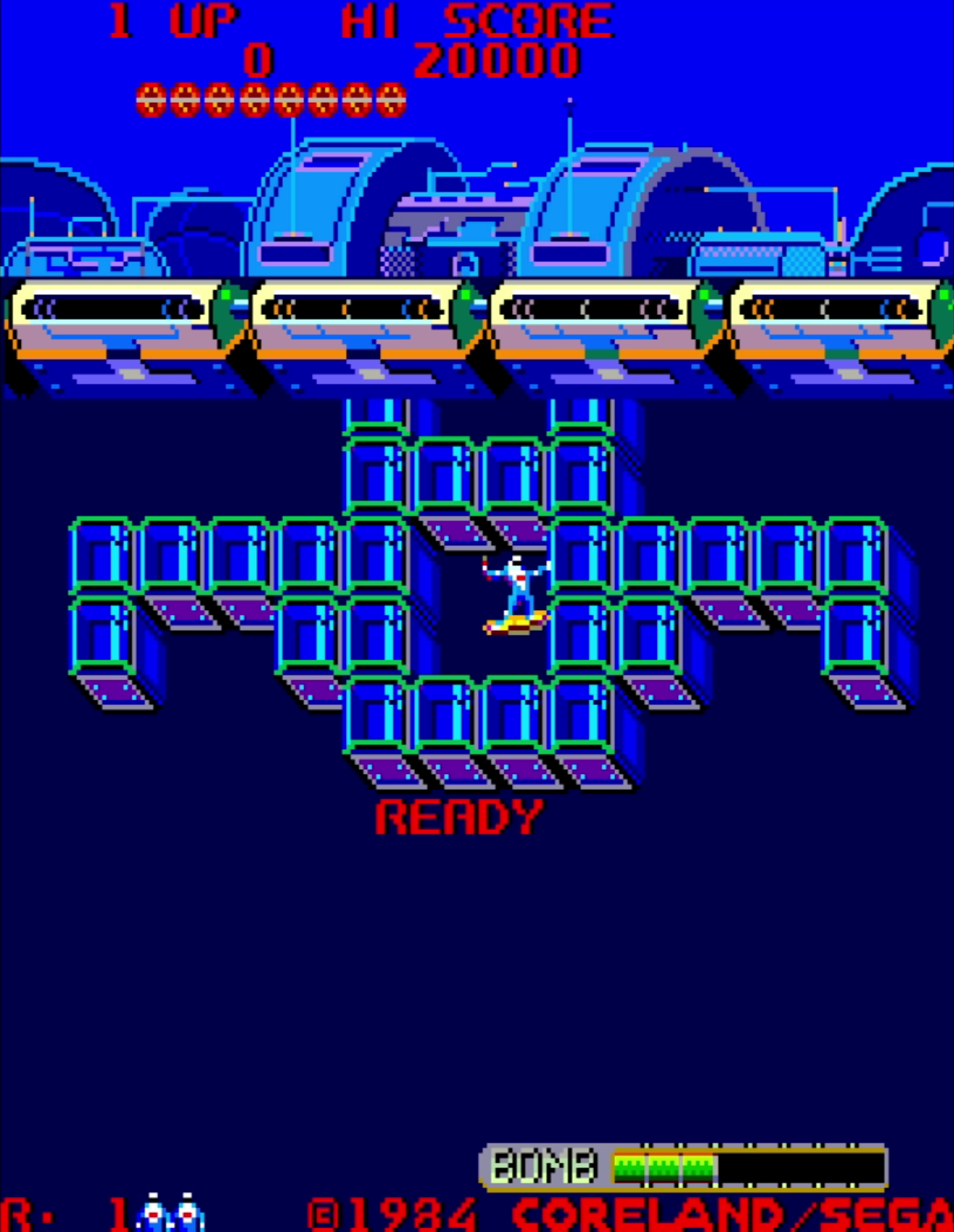
🎮 Game Information
Title: SWAT
Year: 1984
Platform: Arcade
Genre: Action Shooter
Developer / Publisher: Coreland / SEGA
Format: PCB Arcade Board
Players: 1–2 (Alternating)
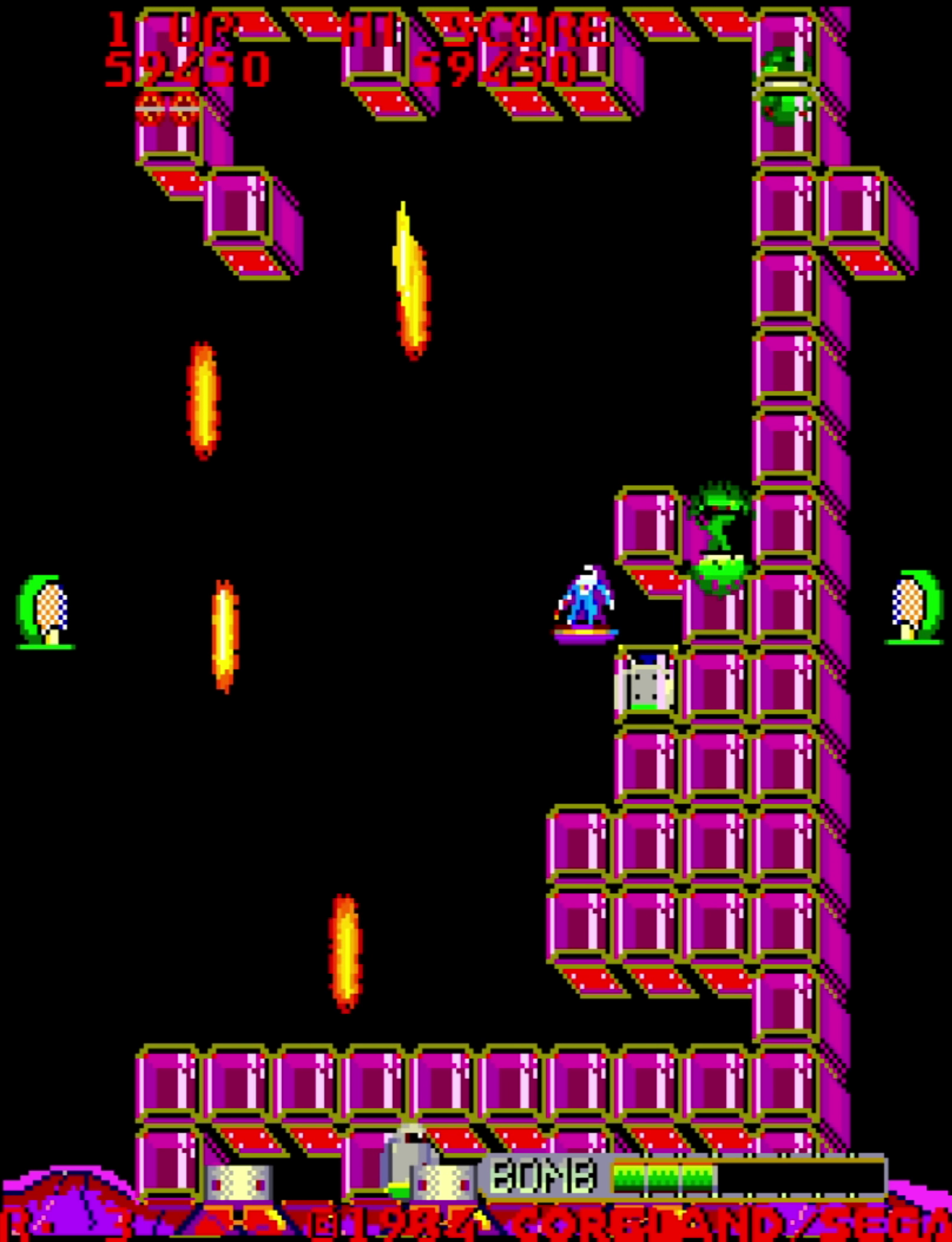
🖼️ Exhibit I – Stage Design & Urban Rhythm
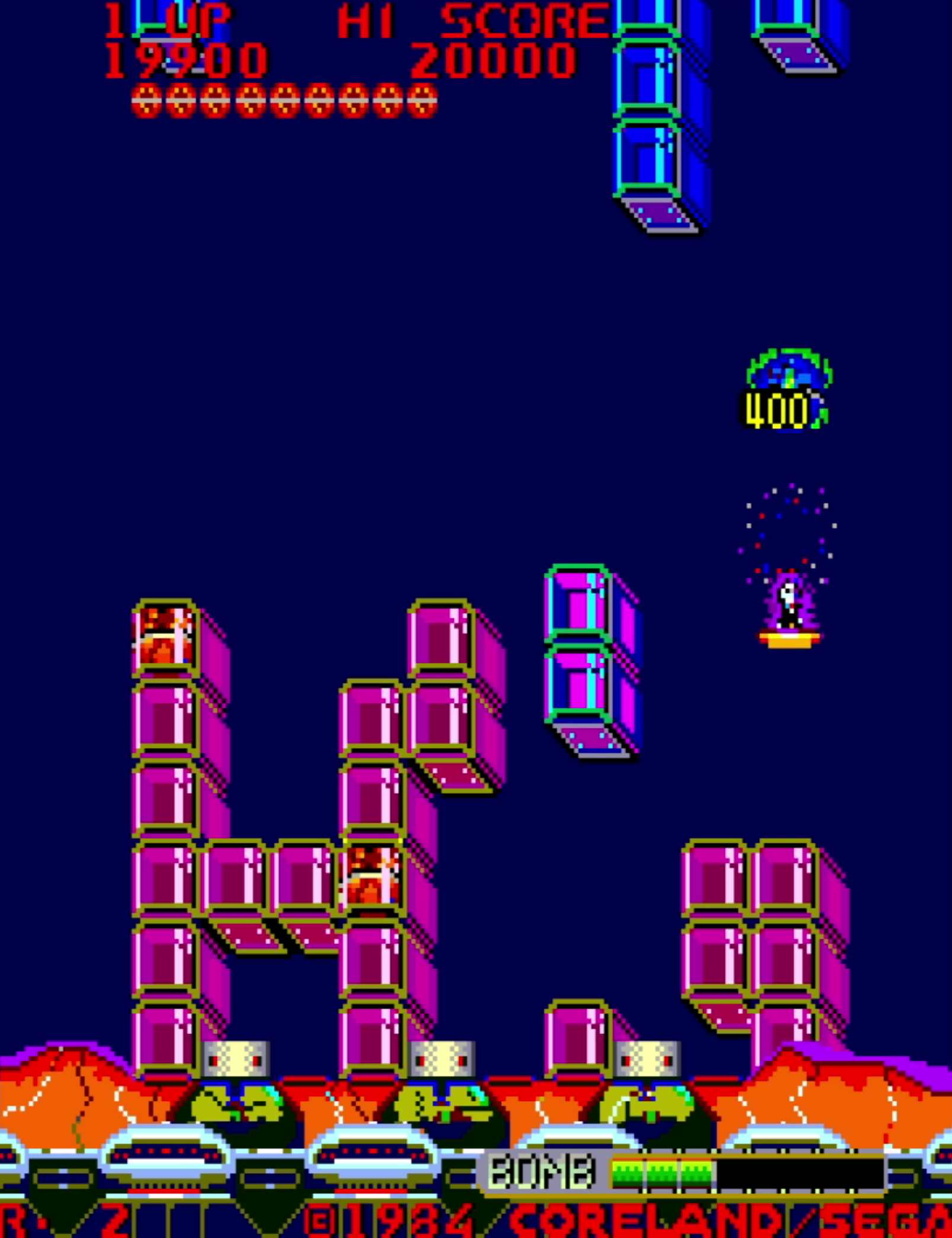
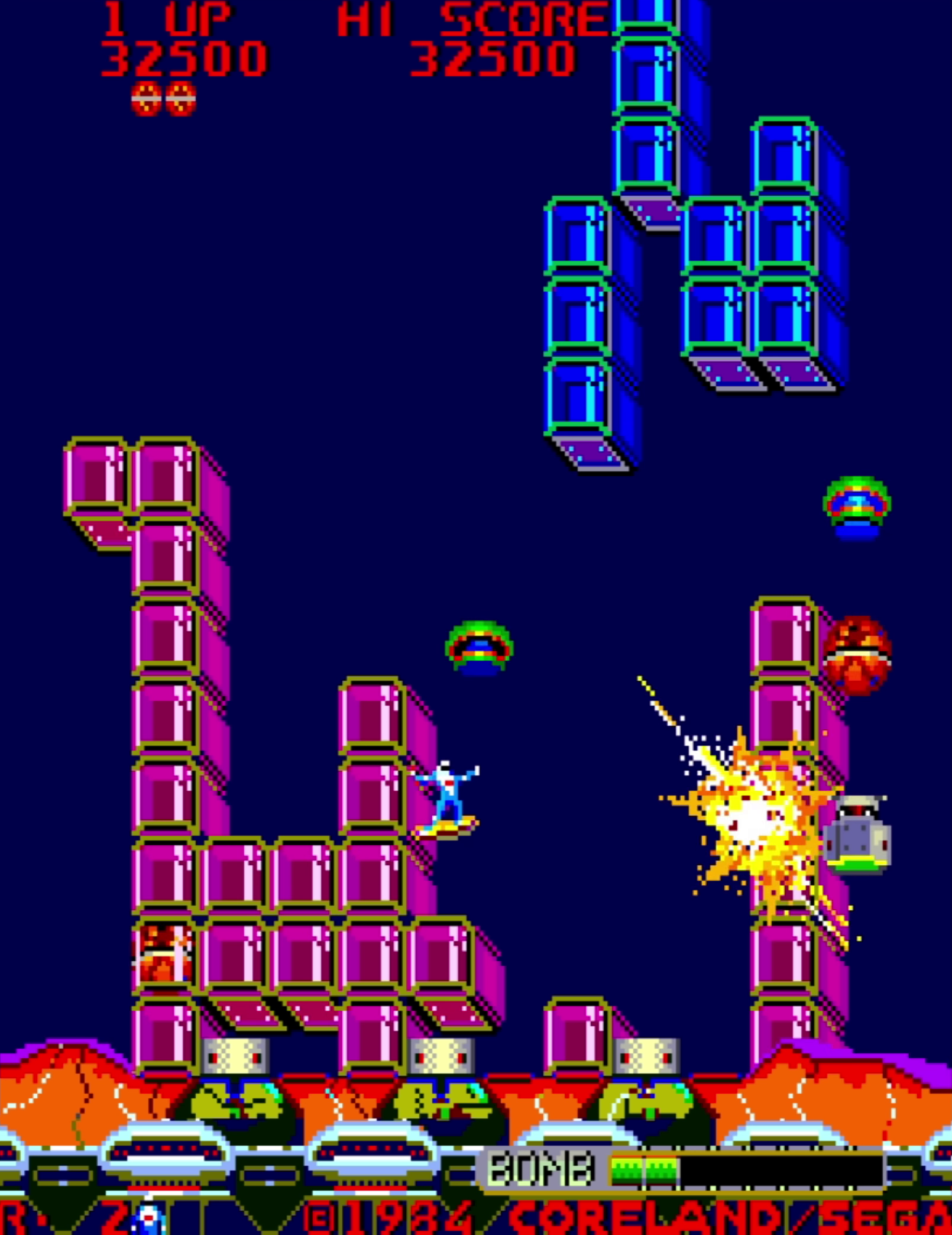
- 🏙️ Multi‑layered cityscapes with destructible structures
- 🎯 Enemy waves escalate in speed and density
- ⏳ Rhythm alternates between defense and counter‑attack
The brilliance of SWAT lies in its urban rhythm.
Stages unfold across city blocks, rooftops, and barricades, each demanding a different tactical approach.
Early waves emphasize positioning, while later stages overwhelm with relentless attackers and collapsing defenses.
This deliberate alternation between holding ground and striking back
⚙️ Exhibit II – Control & Challenge
- 🕹️ Simple controls: directional movement and shooting
- 🚨 Context shifts: defense of walls, counter‑fire against waves
- 🔥 Split‑second timing defines survival
SWAT thrives on immediacy. The player’s toolkit is minimal—movement and shooting—yet the game transforms
these into relentless challenges. Defending fragile barricades requires precision, while counter‑attacks demand
constant awareness of enemy trajectories.
This philosophy highlights how limited mechanics can yield maximum tension. Every mistake is punished instantly,
but every successful defense feels monumental. The difficulty curve is steep yet fair, rewarding persistence and
focus. By stripping gameplay down to essentials, SEGA created a title where survival itself becomes the narrative.
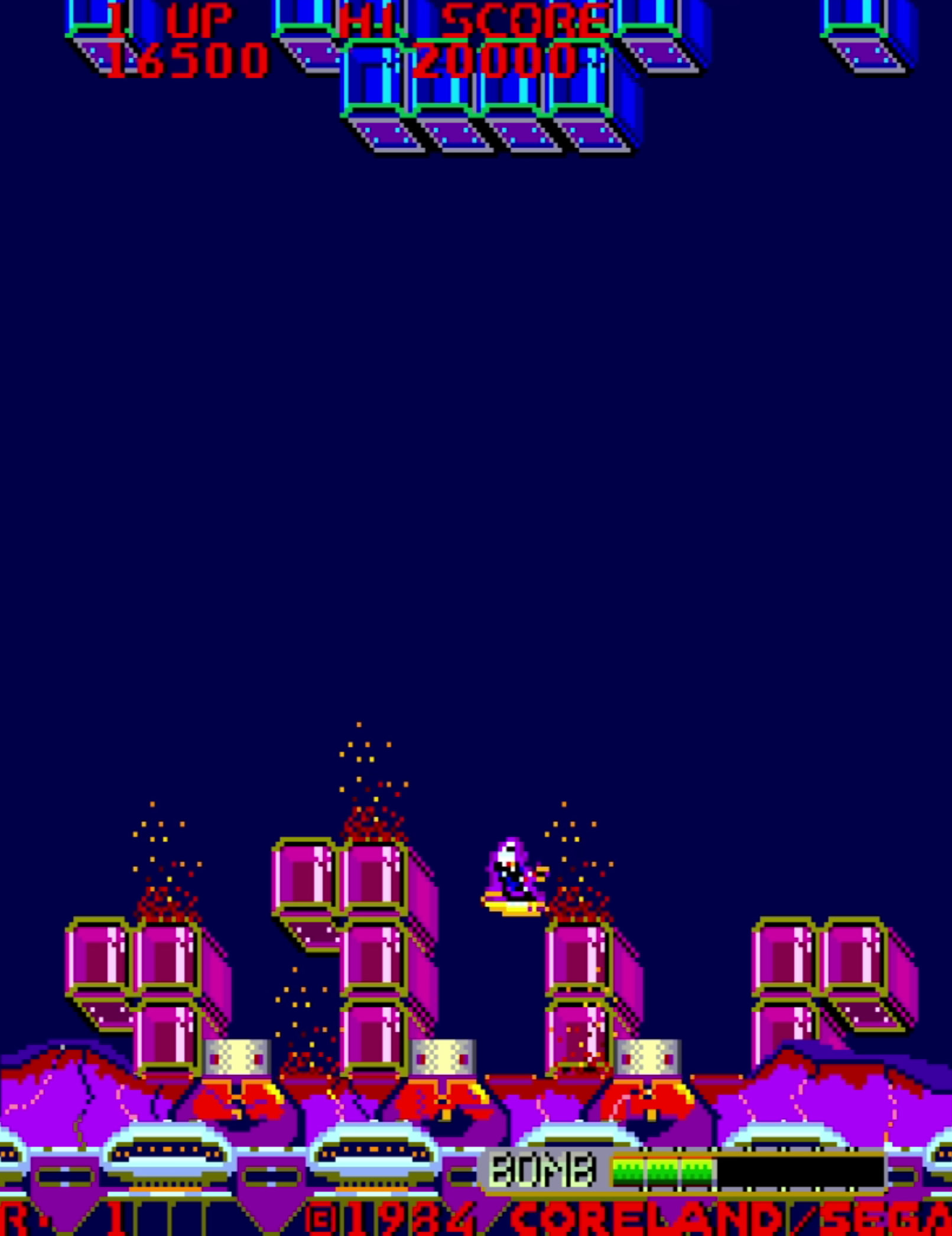
🎼 Exhibit III – Sound & Atmosphere
- 🔊 Distinct audio cues for enemy waves
- 🎶 Sirens and gunfire heighten urgency
- 🌌 Visual layering emphasizes urban chaos
Sound and atmosphere in SWAT are inseparable from its identity. Sirens echo through the arcade,
gunfire punctuates each moment, and the tension builds with every approaching wave.
Visually, SEGA employed sprite layering to simulate collapsing structures and advancing enemies.
This synergy between sound and sight ensured that players were not only reacting to obstacles but immersed
in the chaos of the besieged city. The arcade became a stage where urgency was both heard and seen,
a hallmark of early shooter design.
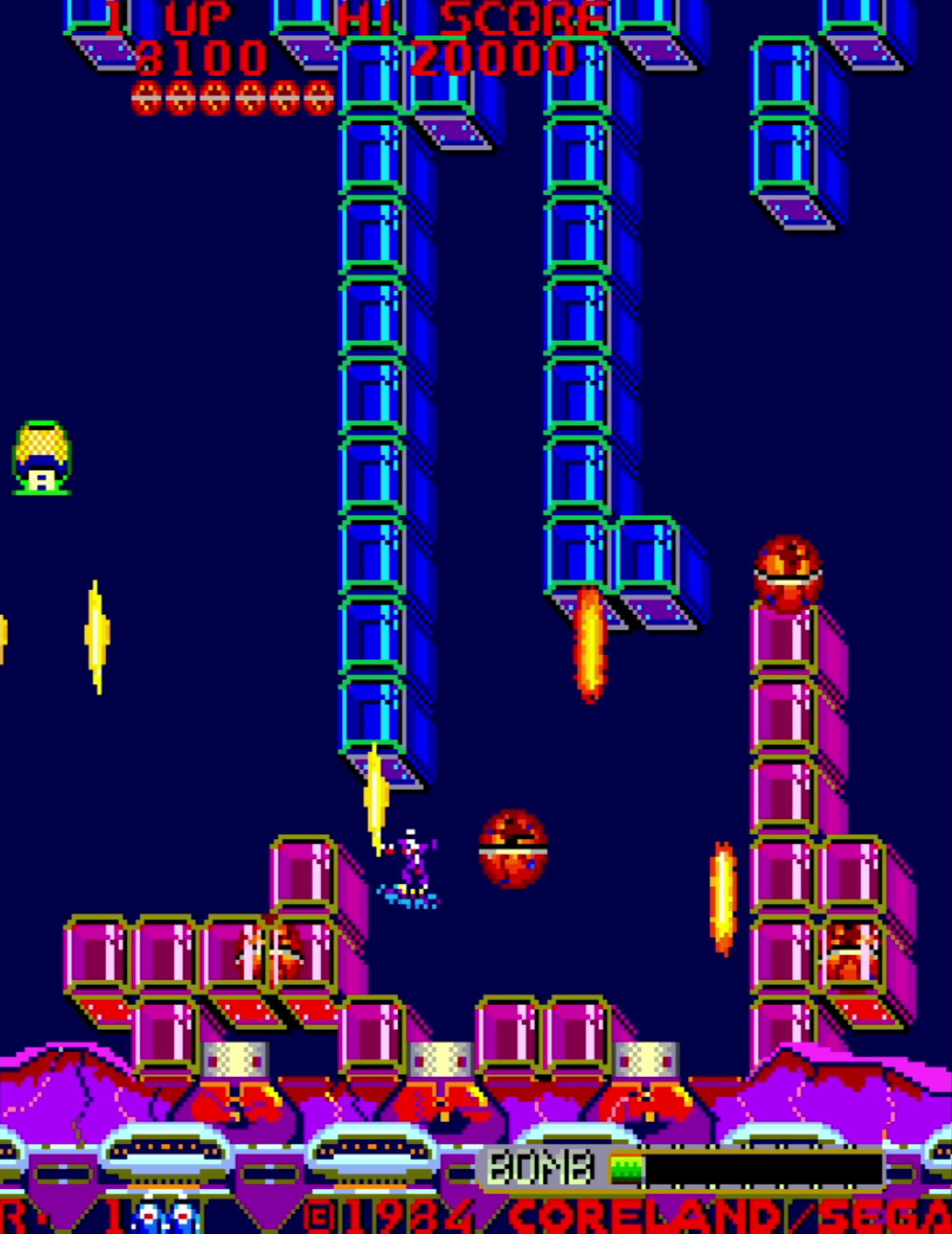
🧪 Exhibit IV – Technical Background & Cultural Impact
- 🖥️ Mid‑1980s arcade hardware simulating urban defense
- 🌍 Cultural echoes of urban anxiety and law enforcement themes
- 🎮 Influence on later defense shooters and tactical arcade games
Technically, SWAT was ambitious for its time. SEGA’s arcade board balanced limited memory with
dynamic enemy waves and destructible environments. The game integrated defense and offense seamlessly,
without pauses or loading breaks.
Culturally, SWAT reflected urban anxieties of the 1980s, presenting a narrative of defense and
survival that resonated with audiences. The imagery of collapsing walls and relentless attackers mirrored
popular themes of law enforcement and urban conflict.
Its influence is undeniable. Later arcade shooters adopted wave‑based escalation and defense mechanics,
cementing SWAT as both a technical showcase and a cultural artifact.
🏛️ Epilogue – Memories in the City
As the final waves subside, the barricades stand scarred yet intact, and the player breathes relief.
Victory in SWAT is not measured in narrative depth, but in endurance and survival.
For players in 1984, SWAT was more than a game—it was a test of reflexes, patience, and persistence.
The besieged city became a metaphor for the arcade itself: unpredictable, dangerous, but rewarding for those
who dared to master it.
Decades later, the memory of collapsing walls, sirens, and relentless attackers continues to echo in retro
gaming culture. SWAT reminds us that even the simplest mechanics can create timeless experiences,
and that the city of pixels still holds its secrets for those willing to return.
🎥 Video Exhibit – SWAT (1984, Arcade)
© 2025 Japanstyle-RetroPlay
Screenshots © SEGA 1984
This article is intended for personal documentation and cultural appreciation.
All rights to game footage, music, and characters belong to their respective copyright holders.
🔗 Home | About Us | Site Policy


Comments
Post a Comment